

Meet the Researchers Behind the Open Data Inventory
The growth and impact over the years of the Open Data Inventory (ODIN) would not be possible without the dedicated researchers behind it.
The growth and impact over the years of the Open Data Inventory (ODIN) would not be possible without the dedicated researchers behind it.

How can countries, development actors and other partners accelerate the pace to finance gender data? Research suggests three ways.

The push for Open Data has made phenomenal progress in the last five years, but are there risks ahead for National Statistical Offices, data users and partner groups?
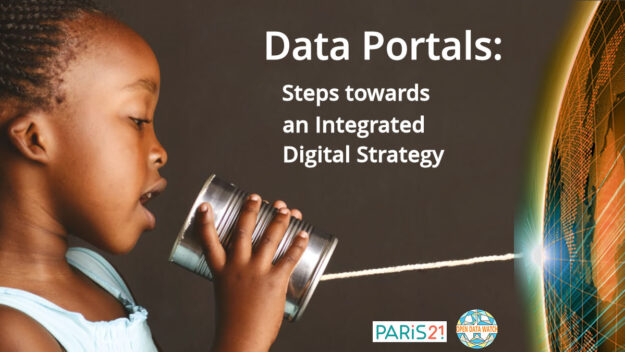
Data portals are a primary gateway for evidence-based decision-making, monitoring, fact checking, and reporting. But not all portals have the upstream data management needed to assure coverage, access and use.
All gender indexes should be accompanied by complete documentation of their design and construction.
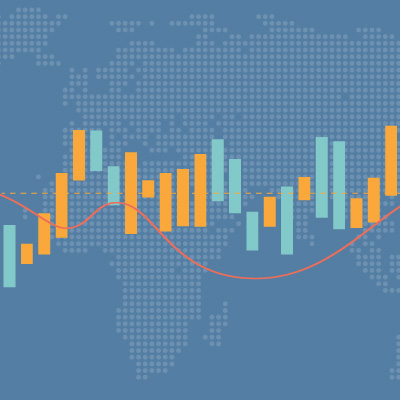
As shown by the Gender Data Network in Africa, knowledge exchange between countries is key to addressing capacity, funding, and other challenges to have data needed to reach SDGs.

This webinar identifies obstacles and opportunities of using official statistics data for fact-checking and outlines a cooperative strategy to curb the spread of misinformation.

Do the tools that measure the capacity and outputs of statistical systems answer compatible questions and provide consistent assessments? See this overiew of new comparative findings and recommendations.
What are the similarities and differences between existing tools to measure the capacity and outputs of statistical systems? This report compares 12 major indexes and tools, mapping them to the Global Data Barometer and the Data Value Chain.
This major report from Data2x and ODW on gender data gaps presents ways not only to identify gaps, but actually to start filling the gaps through ten specific steps using 142 innovative solutions across six development sectors.