


ODIN 2026-27 Assessments Begin in May
In mid-May, the ODIN 2026/27 assessments of the coverage and openness of official statistics will begin. Covering 197 countries, this year’s round includes several important updates.
In mid-May, the ODIN 2026/27 assessments of the coverage and openness of official statistics will begin. Covering 197 countries, this year’s round includes several important updates.
Two major global conferences, the UN Statistical Commission and the Commission on the Status of Women, underscore that data systems are under strain, but propose ways to rethink how they can be strengthened, financed and used effectively.
The 57th UN Statistical Commission (3-6 March) gathers chief statisticians from countries, international organizations, and civil society to share experience and to discuss standards, methods, and goals for international statistics. Open Data Watch will co-host events on citizen data, the data systems crisis, and time use data.
The partnership will shift Data2X’s gender data work and integrate it into Open Data Watch’s broader data systems efforts to better inform policies and improve outcomes for women and girls worldwide.
For the development data community, 2025 was a defining year, marked by disruption and reinvention, major funding cuts, political shifts, and unprecedented strains on data systems just when demand for data reached all-time highs.
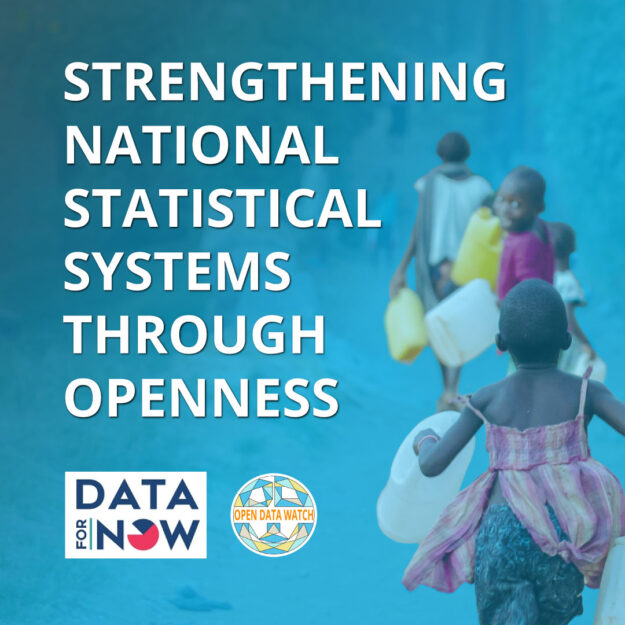
In the fast changing global data environment, the need to integrate and provide access to official and new data sources makes open data principles and practices more important than ever. Modules from recent expert workshops provide practical guidance on how to strengthen national statistical systems through openness.

A new PRESS report lands at a critical moment, shining light on who finances data and statistics, on dangerous concentrations and promising opportunities, on gaps between commitments and disbursements, and on ways to bolster evidence-based advocacy for sustainable financing.

Sparking conversations about how to make gender data a stronger part of national planning and decision-making, BRIDGE helps Sri Lanka measure the maturity of gender data, not just in numbers, but also in terms of coordination, policy support, data use, and capacity.
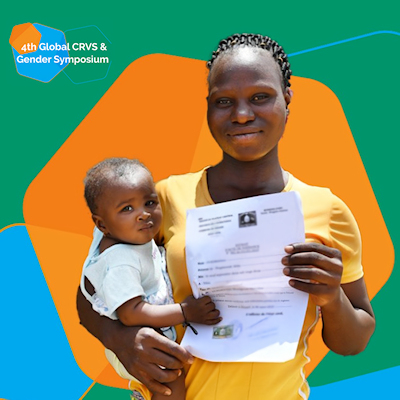
The 4th Global CRVS and Gender Symposium discussed how inclusive and gender-responsive CRVS systems can drive equitable development outcomes. In light of country experiences, participants underscored the importance of continued collaboration to secure long-term, gender-responsive financing for CRVS.
Intersectional disability data reveals how overlapping identities—such as disability, gender, and income—shape lived experiences and expose who is most at risk of being left behind. When communities lead the data process, it can drive more inclusive policies with lasting impact.