

Strengthening Data Systems in a Changing Landscape:
Reflections from UNSC and CSW
By Open Data Watch
25 March 2026
In March 2026, Open Data Watch (ODW) joined partners in New York for two major global convenings: the UN Statistical Commission (UNSC) and the Commission on the Status of Women (CSW). Across both forums, discussions underscored a clear reality—data systems are under increasing strain, but there is also growing momentum to rethink how they are strengthened, financed, and used.
Through four events spanning official statistics, citizen data, and gender data, ODW and partners helped move the conversation forward—focusing not only on challenges, but on practical pathways to implementation. Here are our takeaways.
Moving from Principles to Practice in Citizen Data
Citizen data featured prominently at UNSC through the side event Integrating Citizen Data into Official Statistics: Pathways to Practice.
The session, co-hosted by the Collaborative on Citizen Data which is co-chaired by UN Statistics Division and Open Data Watch, built on the Copenhagen Framework on Citizen Data and focused on how countries are beginning to move from principles to implementation. Discussions highlighted how citizen data—produced through meaningful engagement with communities—can complement official statistics, fill critical data gaps, and better represent underserved populations.
Participants shared early country experiences, methodological advances, and lessons on building partnerships between national statistical offices, civil society, and other stakeholders. The session also reinforced a broader shift in the citizen data agenda—from conceptual development toward documenting impact, sharing lessons, and supporting countries in applying the framework in practice.
Watch: Integrating Citizen Data into Official Statistics: Pathways to Practice
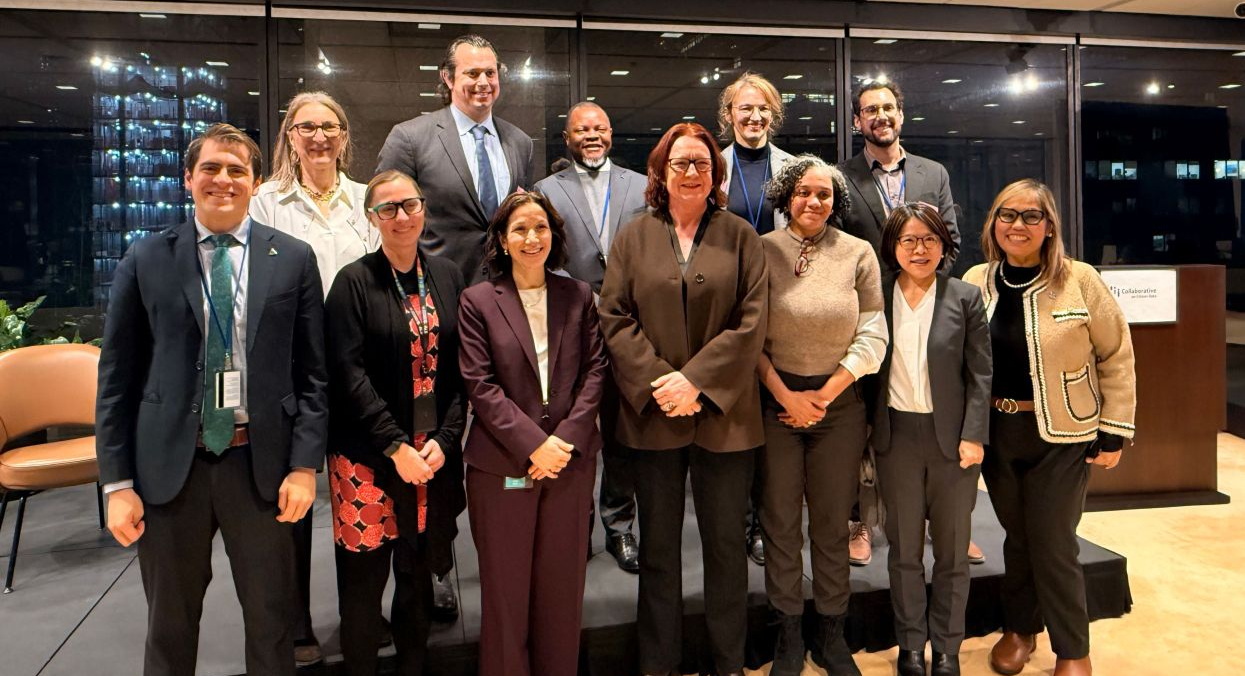
A group of co-organizers and panelists from a UN Statistical Commission side event pose together at the Ford Foundation in New York City.
Data Systems Must Evolve to Remain Trusted and Fit for Purpose
At UNSC, ODW and PARIS21 co-hosted the side event Data Systems at a Crossroads: Official Statistics for a New Era. The discussion brought together leaders across the data ecosystem to reflect on the pressures facing official statistics based on a discussion paper circulated prior to the event to inform the discussion.
Participants pointed to a convergence of challenges—declining and uncertain funding, rising demand for more timely and granular data, and rapid technological shifts, including the growing role of AI. These pressures are reshaping not only how data is produced, but also how it is trusted and used.
The discussion emphasized that strengthening data systems will require more than financial investment. Participants highlighted the need for stronger governance, clearer value propositions for policymakers, and renewed focus on country ownership. The session was designed as a solutions-oriented dialogue, helping inform ongoing work toward a policy brief and future global discussions.
Read: “Data Systems at a Crossroads: Official Statistics for a New Era”
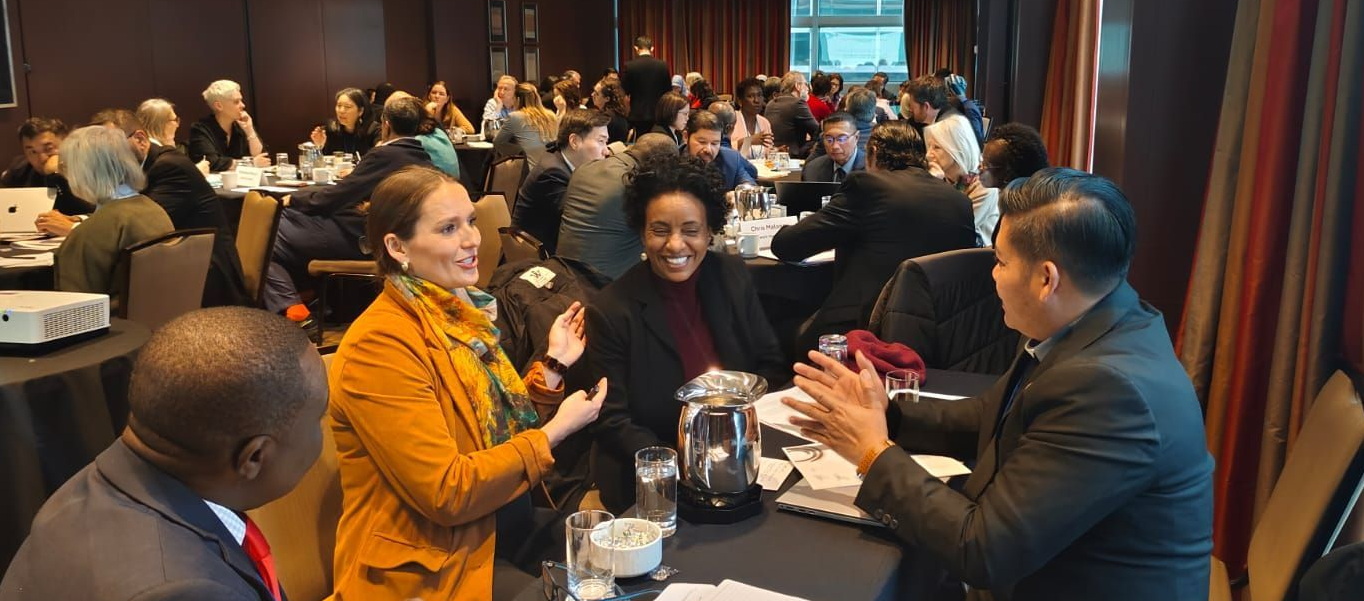
Participants in a UN Statistical Commission side event work in small breakout groups, discussing challenges facing data systems and potential paths forward.
Time Use Data Must Inform Economic Policy—Not Just Measurement
ODW also co-hosted Time for Growth: Making Time Use Data Work for Economic Decision-Making alongside UN Women, the Kenya National Bureau of Statistics, the Kenya State Department of Economic Planning, and the Gates Foundation.
This session focused on how time use data can better inform economic policy and decision-making. Discussions emphasized the need to move beyond data collection toward integration into core economic and sectoral diagnostics.
Participants explored how time use data can strengthen policy design, making visible the contributions that are often excluded from traditional economic measures. The event builds on the Nairobi Action Plan and contributes to the growing Time for Growth collaborative, aimed at advancing coordination and practical application of time use data globally.
Watch: Time for Growth: Making Time Use Data Work for Economic Decision-Making
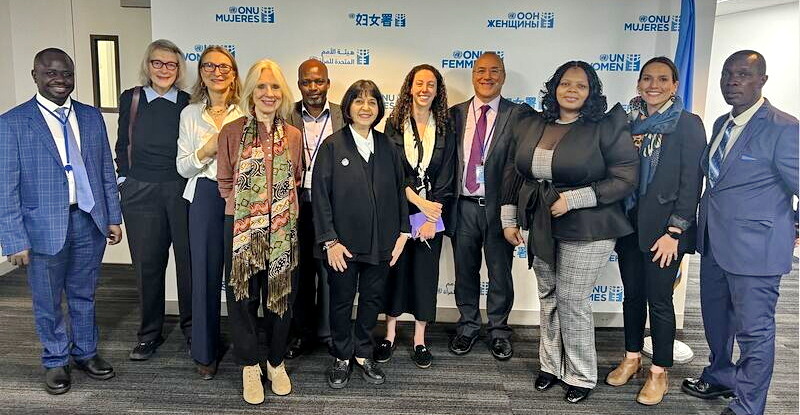
A group of co-organizers and panelists from a UN Statistical Commission side event pose together at UN Women Headquarters in New York City.
Citizen Data Is Critical to Advancing Gender Equality and Justice
At CSW, ODW, UN Women, and the Collaborative on Citizen Data hosted the session Centering Women’s Voices: Citizen Data for Protection and Justice.
The discussion highlighted how citizen data can play a critical role in addressing gaps in gender data—particularly in areas such as violence against women, access to justice, and the experiences of marginalized groups, including LGBTQIA+ communities.
Drawing on the work of the Collaborative on Citizen Data and its gender data working group, the session showcased how citizen data can surface hidden and underreported issues, strengthen service delivery, and inform more responsive policy decisions. Examples from civil society organizations illustrated how community-driven data collection can capture lived experiences that are often missed by traditional data systems.
Learn: The Collaborative on Citizen Data’s Working Group on Citizen and Gender Data
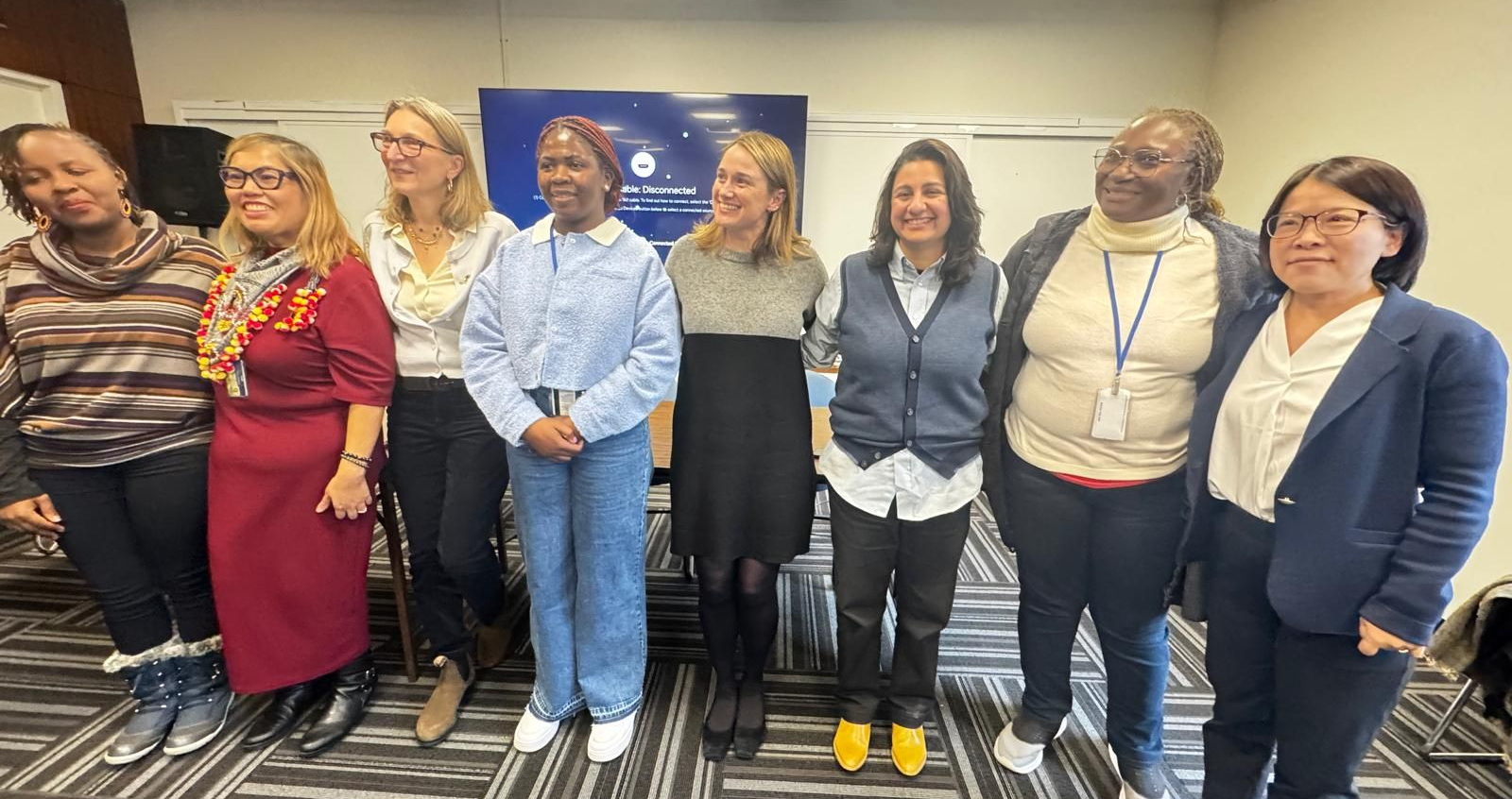
Panelists from a Commission on the Status of Women side event pose together in New York City.
Looking Ahead
Whether strengthening official statistics, integrating citizen data, or advancing inclusive data, the focus is increasingly on how to translate ideas into impact—particularly at the country level. The challenges facing data systems are significant, but so too is the opportunity to build more inclusive, responsive, and resilient data ecosystems.