

Insights from the Data Festival in Nairobi:
Data Systems, AI Tools, and Inclusive Collaboration
Interview with Meriem Ait Ouyahia,
Gender Data Network Coordinator, Open Data Watch
18 June 2026
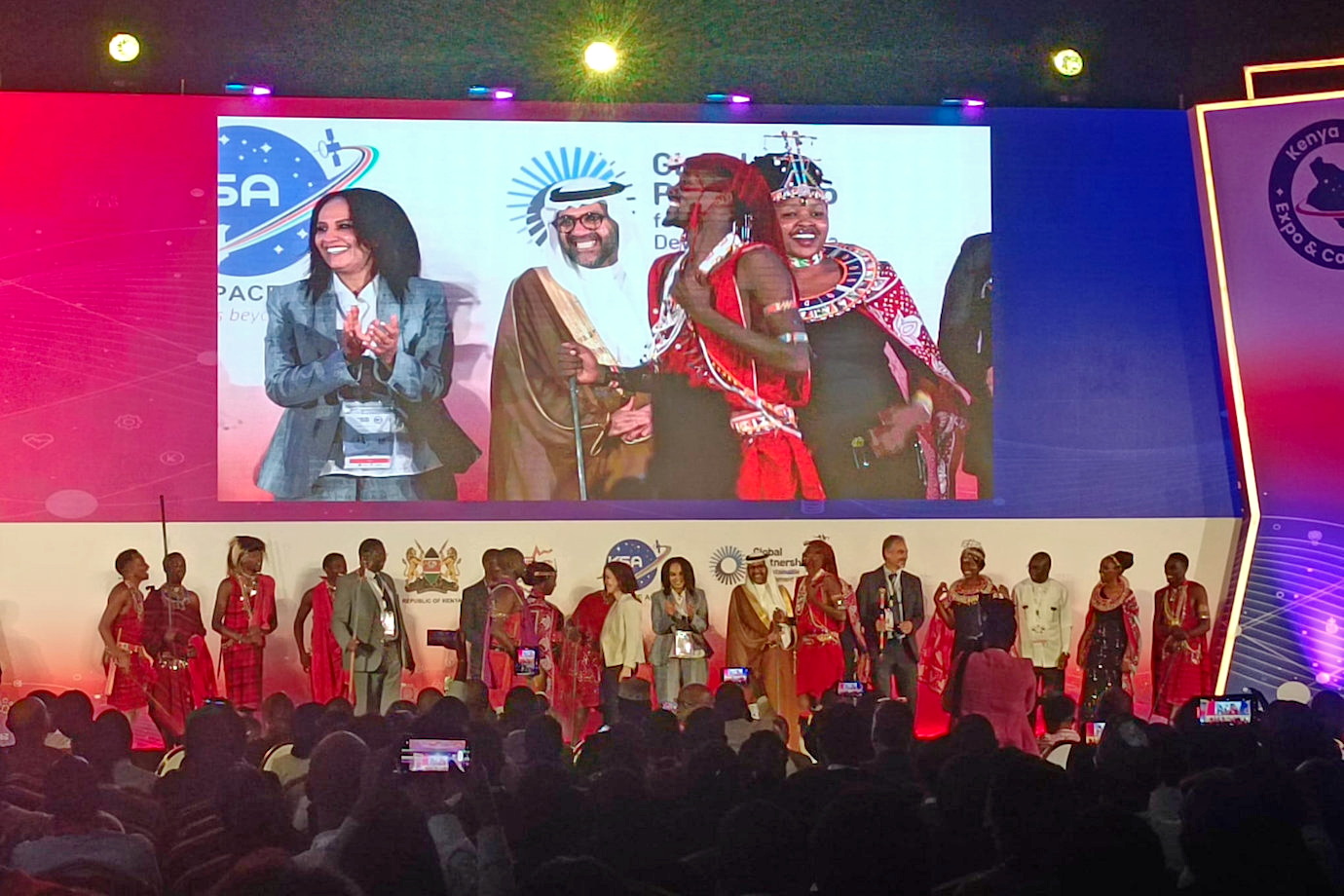
The closing ceremony of the Global Data Festival and Kenya Space Expo & Conference in Nairobi, Kenya on 5 June 2026.
-
What thematic threads about data systems did you see at the Global Data Festival?
Several themes emerged consistently across the festival. One was the need to rethink data systems in response to rapid technological change, particularly the growing role of artificial intelligence. Many discussions focused not only on how AI can strengthen data production and analysis, but also on the data foundations, governance, and quality standards needed to support responsible AI use.
A second major theme was inclusion. There was strong recognition that data systems must become more people-centered and better reflect the experiences of communities that are often underrepresented in official data. Citizen data, community engagement, and participatory approaches were frequently highlighted as ways to make data more relevant and responsive.
A third theme was trust and partnerships. Participants emphasized that no single actor can address today’s data challenges alone. Stronger collaboration among National Statistical Offices (NSOs), civil society, academia, and the private sector is becoming increasingly important to build resilient and effective data ecosystems.
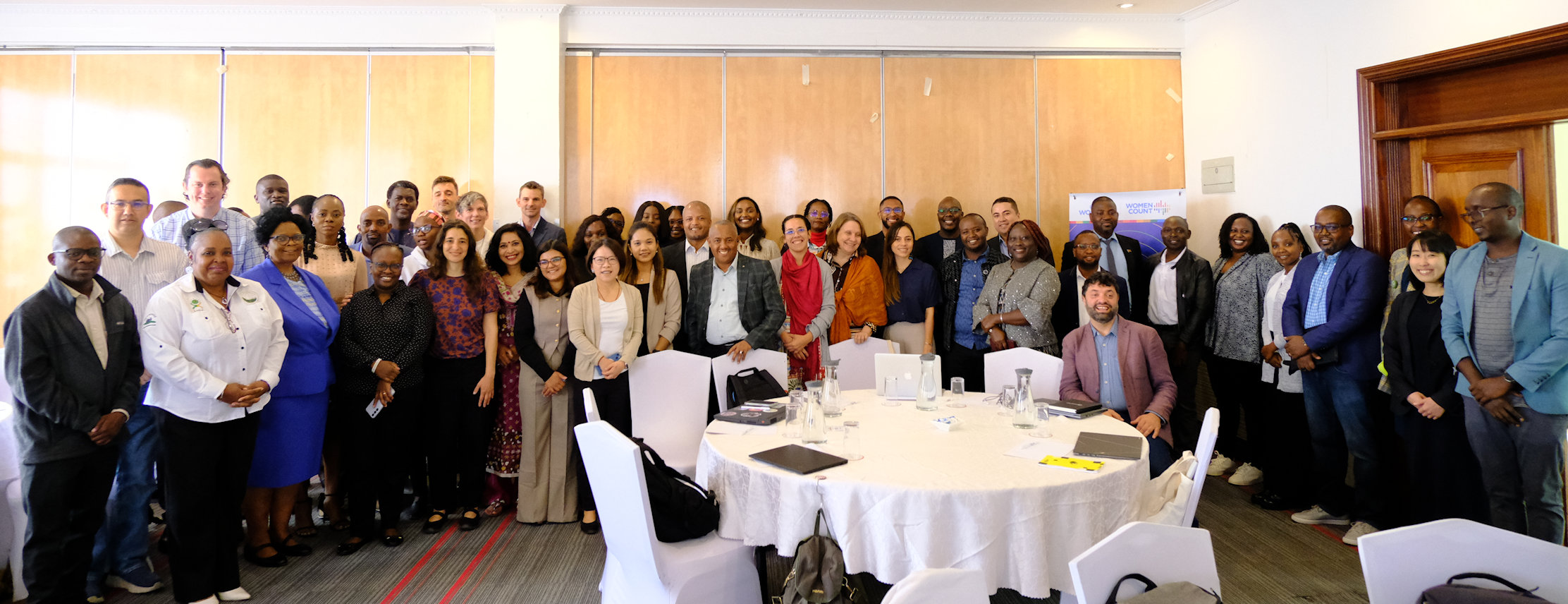
A group photo of all participants of the ”Day 0” learning event, Citizen Data in the Age of AI, preceding the Global Data Festival in Kenya.
Finally, there was a growing focus on impact. The conversation is moving beyond data production toward questions of how data are used, communicated, and translated into better decisions and outcomes for people.
These themes were also highlighted during the pre-festival side event on Citizen Data in the Age of AI, co-organized by the Collaborative on Citizen Data, the Humanitarian OpenStreetMap Team and Kenya Red Cross. This all-day learning event brought impact-driven storytelling, community-led action, and citizen data as the vehicles that drive us closer to more inclusive policies and services across sectors.
-
Could you tell us more about the outcomes of the data crisis debate event?
The competing conversations during the Data Systems at a Crossroads: Debating the Data Crisis session (linked to this ODW-PARIS21 working paper on this topic) turned out to be very engaging because participants quickly moved beyond simple “for” or “against” positions and surfaced the real tensions facing modern data systems.
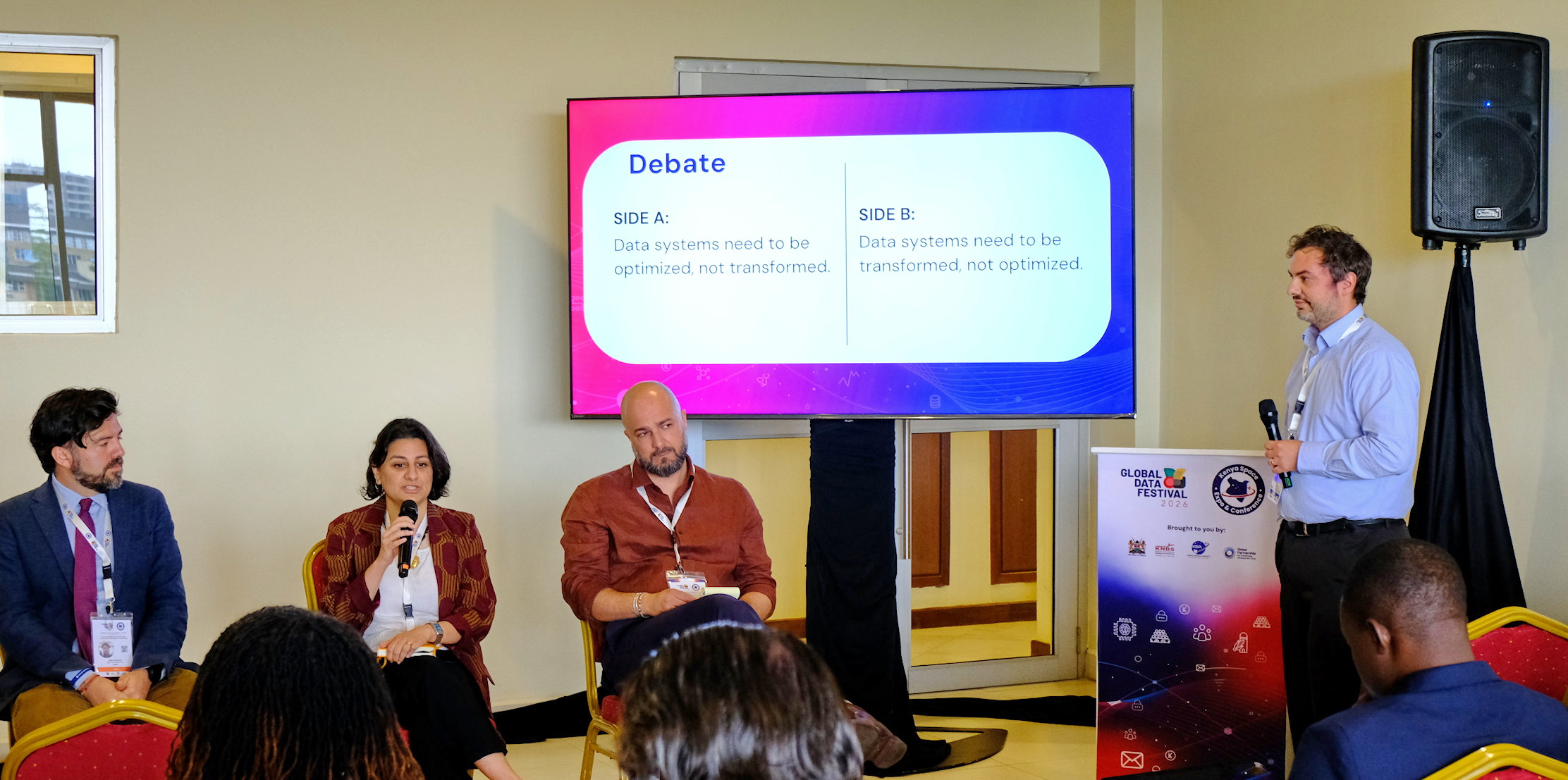
Participants debate how to address the data crisis (Jahanara Saeed of WEDO speaking), moderated by Josh Powell (CEO of Development Gateway: An IREX Venture).
Those arguing for optimization emphasized the importance of improving existing systems, making them more efficient, reducing reporting burdens, and building on what already works. Others argued that deeper transformation is needed because many current systems struggle to keep pace with today’s demands for timely, inclusive, and trusted data.
What was interesting is that the discussion ultimately revealed a great deal of common ground. Participants recognized that these approaches are not mutually exclusive. The consensus was that effective data systems need both: continuous improvement of existing structures and a willingness to redesign parts of the ecosystem to make them more responsive, inclusive, and connected to citizens’ needs.
The debate, moderated by Josh Powell (Development Gateway: An IREX Venture) went beyond a simple diagnosis of the problem, but moved the conversation from concern to coordinated response. The session closed with high-level remarks from Aminah Jasho (Equal Measures 2030), Muchiri Nyaggah (Local Development Research Institute, Kenya), and Ian Coady (WorldPop), who reflected on the data crisis debate and looked ahead to the future of data systems.
-
What new skills did the citizen data training participants find most useful?
The session on Innovations in Citizen Data: AI Tools, Ethics, and Impact was designed less as a technical training on specific AI tools and more as a space to critically examine how AI and citizen-generated data intersect in practice. Through discussions across three breakout groups, participants developed a deeper understanding of the opportunities, risks, and governance challenges associated with AI.
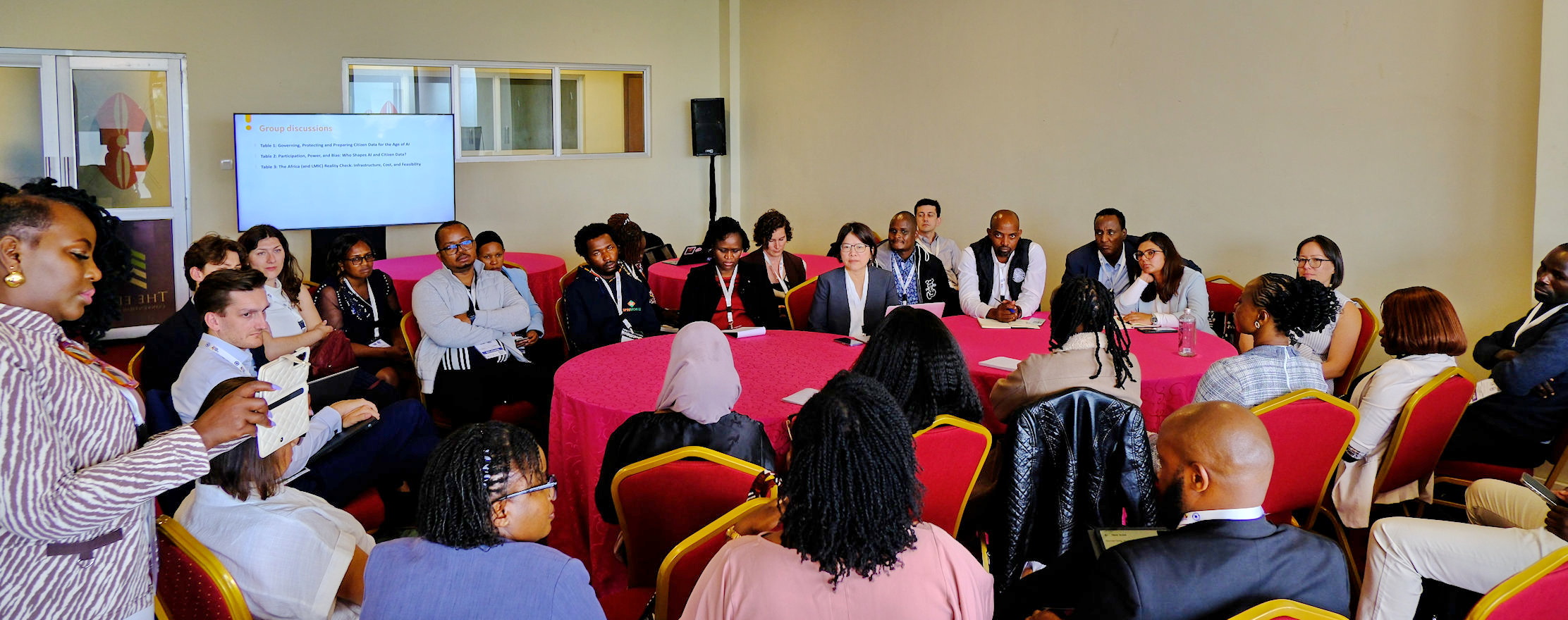
Haoyi Chen, UNSD (center, with a laptop) co-facilitated the AI & Citizen Data training, which was attended by about 80 engaged Data Festival participants.
One key area of learning was data governance and data rights. Participants explored questions around data ownership, sovereignty, privacy, consent, and accountability. Discussions highlighted the need to build capacity among both practitioners and citizens so they can make informed decisions about when and how to share data and better understand the implications of AI systems using their information.
A second area was inclusive and participatory AI design. Participants reflected on who shapes AI systems, whose knowledge is represented, and who remains excluded. They emphasized the importance of involving communities not simply as data providers but as co-creators and validators of data and AI systems. The discussions reinforced that inclusion must be built into systems from the beginning rather than added later.
A third area focused on practical and responsible AI adoption in low-resource settings. Participants explored what realistic AI applications look like in contexts where connectivity, infrastructure, funding, and digital literacy may be limited. They discussed the importance of designing solutions that meet people where they are, using tools such as SMS, voice technologies, and existing community networks rather than assuming access to advanced technologies.
Across all the discussions, one message stood out: technology should not be the starting point. The starting point should always be the problem people are trying to solve and the needs of the communities involved.
-
Which highlights from the Gender Data Network (GDN) lightning talk should we keep in mind?
One of the most powerful messages from the lightning talk was that strong data systems depend not only on technology, methodologies, and platforms, but also on people and relationships. As Caroline Mutwiri from the Kenya National Bureau of Statistics (KNBS), GDN member, highlighted many gender data practitioners around the world face similar challenges, limited resources, methodological questions, and growing demands for better data, yet they often work in isolation.
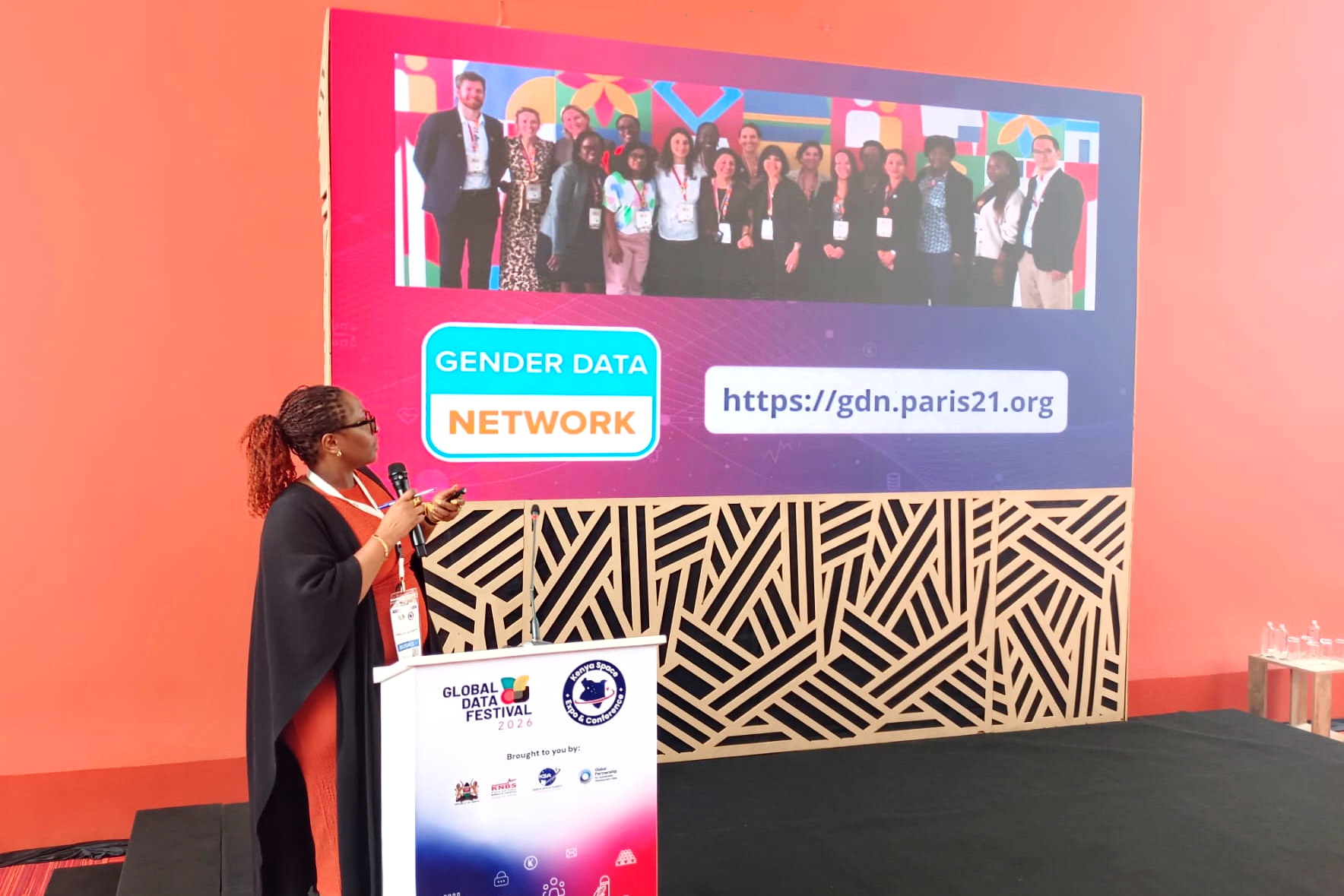
Caroline Mutwiri (KNBS) ends the lightning talk with a photo of some of her fellow GDN members.
The GDN was created to address that gap by providing a trusted space for peer learning, collaboration, mentorship, and shared problem-solving.
A key lesson from the network is that innovation does not always come from new technologies. Sometimes it comes from connections. Through the network, practitioners have been able to share indicators, survey approaches, communication strategies, training materials, and practical lessons learned, helping countries learn from one another rather than reinventing solutions independently.
The talk also highlighted the importance of investing in what Caroline called the “human infrastructure” behind data systems. While significant resources are often dedicated to tools and technology, sustainable progress also requires trust, relationships, peer exchange, and communities of practice. These elements strengthen human capacity, build confidence, and accelerate learning across countries and regions.
Finally, the session underscored the value of South-South collaboration and regional networks. The challenge is often not a lack of knowledge or expertise but creating pathways to share it. The overarching takeaway was simple but powerful: networks are not an add-on to data systems; they are essential infrastructure for sustainable change and more inclusive data ecosystems.
-
How did the ODW-Data2X Media Fellows contribute to the conversations?
The ODW-Data2X Media Fellows brought an important journalistic perspective to the festival by helping capture and amplify many of the key discussions taking place throughout the week. The three fellows, independent African journalists—Emmanuel Chama Mulenga from Zambia, Winnie Kamau from Kenya, and Ruth Chinhema from Zimbabwe—fully immersed themselves in the experience. They participated in the ODW sessions, attended a wide range of discussions across the festival, and engaged with participants from different sectors.
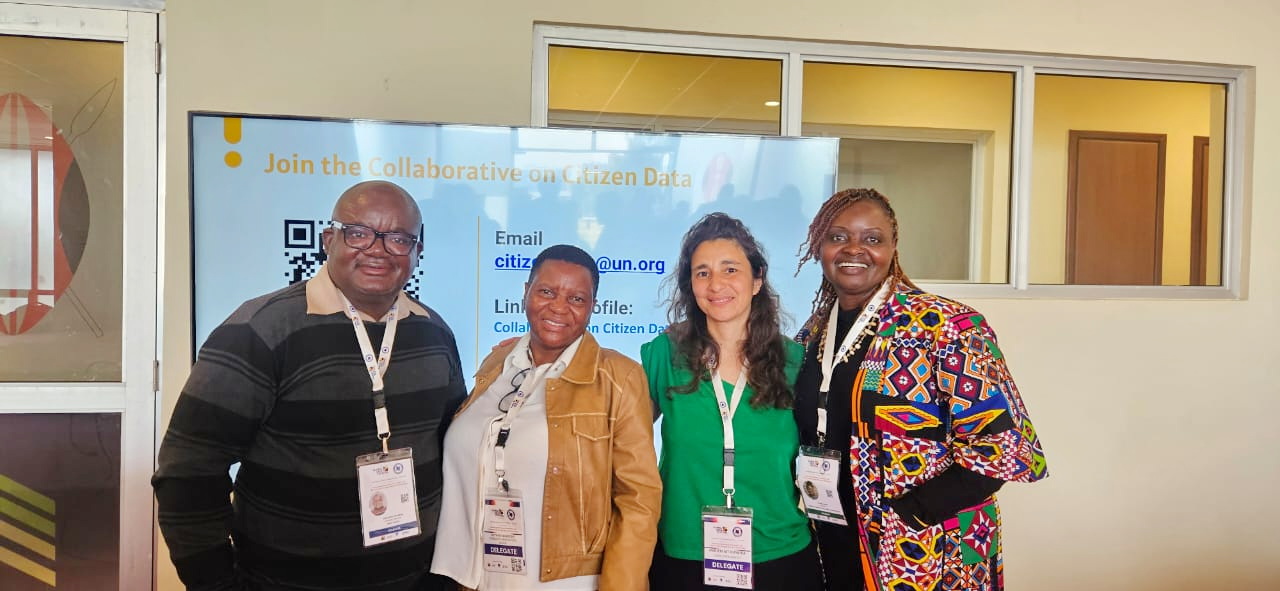
ODW-Data2X Media Fellows & ODW’s GDN Coordinator (from left): Emmanuel Chama Mulenga, Ruth Chinhema, Meriem Ait Ouyahia, and Winnie Kamau.
Beyond attending sessions, they worked closely with the Global Partnership for Sustainable Development Data (GPSDD) team to provide daily highlights and reflections that helped share the energy and insights of the event with a broader audience. The ODW-Data2X Media Fellows also developed stories on topics ranging from agriculture and food security to gender inclusion, data visualization, climate, health, and emerging technologies.
What was particularly valuable was their ability to translate complex data discussions into accessible stories that resonate with wider audiences. Their reporting helped document not only what was discussed during the festival, but also why these conversations matter for people across countries, and how they can contribute to change long after the event ends and people head home to continue their work across the data ecosystem.