

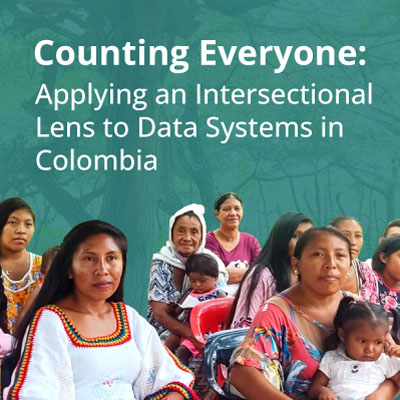
Counting Everyone: An Intersectional Lens to Data in Colombia
Based on desk reviews and interviews with national statistics officers, this study examines seven dimensions of Colombia’s success in making intersectionality data a national priority.
Based on desk reviews and interviews with national statistics officers, this study examines seven dimensions of Colombia’s success in making intersectionality data a national priority.
This major analytical report examines not only the diverse global impacts of the abrupt withdrawal of development assistance in early 2025, triggering a systemic shock to global health data systems, but also paths to recovery.
This major analytical report examines not only the diverse global impacts of the abrupt withdrawal of development assistance in early 2025, triggering a systemic shock to global health data systems, but also paths to recovery.
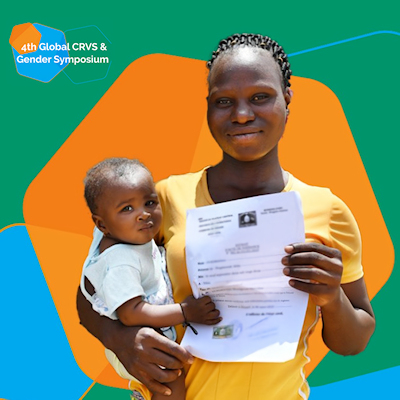
The 4th Global CRVS and Gender Symposium discussed how inclusive and gender-responsive CRVS systems can drive equitable development outcomes. In light of country experiences, participants underscored the importance of continued collaboration to secure long-term, gender-responsive financing for CRVS.
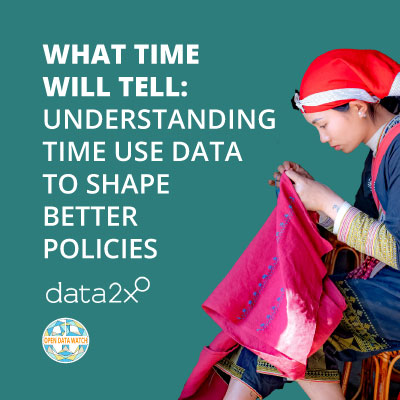
Time use data for paid and unpaid work reveal where informed policies can have real impact on, for example, social protection, gendered labor, care-giving, the economy and the environment. This brief explores the trends and potential of time use data and evaluates examples of impact already seen in various countries.
Intersectional disability data reveals how overlapping identities—such as disability, gender, and income—shape lived experiences and expose who is most at risk of being left behind. When communities lead the data process, it can drive more inclusive policies with lasting impact.
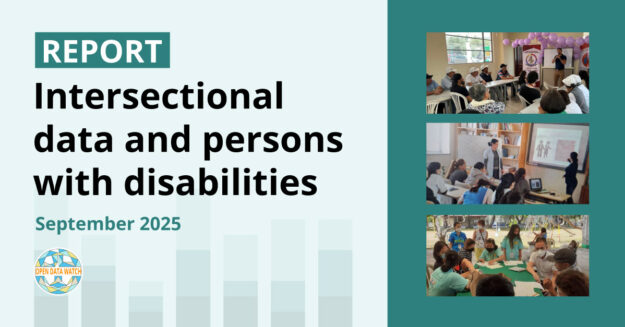
This report explores how intersectional data in the Data Value Chain can reflect the lived experiences of persons with disabilities and empower them to generate intersectional disability data to influence policies and programs.
This report explores how intersectional data in the Data Value Chain can reflect the lived experiences of persons with disabilities and empower them to generate intersectional disability data to influence policies and programs.
Nearly half of gender-related SDG indicators are still missing, and chronic underfunding is a major reason why—this journal article lays out a clear path to unlock financing, bridge data gaps, and turn growing demand for gender data into real action.

Nearly half of gender-related SDG indicators are still missing, and chronic underfunding is a major reason why—this journal article lays out a clear path to unlock financing, bridge data gaps, and turn growing demand for gender data into real action.