


Open Data Matters: Spurring Data Use and Impact in Malaysia
Allowing Malaysia to analyze, absorb, and share new information released by various parties, open data is now a core tool for improving the use, sharing, and impact of government data.
Allowing Malaysia to analyze, absorb, and share new information released by various parties, open data is now a core tool for improving the use, sharing, and impact of government data.

Through monitoring, research, and advocacy, the new Gender Data Compass offers practical, informed guidance for strengthening national gender data systems and gender equality policies. The Compass covers all 50 gender indicators of the Open Gender Data Index (OGDI).

Data stewardship presents challenges for National Statistical Offices, but NSOs also start from points of strength — like experience with fundamental principles, rigorous data definitions and standards, and a strong peer network — that are real assets for effective data stewardship.

Mexico is finding that open data is a strategic resource with major transformative impacts at every level. Its Open Infrastructure initiative, so far involving 23 institutions and 55 organizations, is a prime example.

As our rate of data production grows exponentially, gaining insight into the needs of users of official statistics is key for countries and was a hot topic in World Data Forum discussions on data graveyards and institutional barriers to effective data use
Don’t miss the events that Open Data Watch is co-hosting or speaking at during the 2023 UN World Data Forum in Hangzhou. Topics span a broad range — Data in the Care Economy, Data Graveyards, Gender Data, Data & Misinformation, and Data for the Public Good and Achieving SDGs.
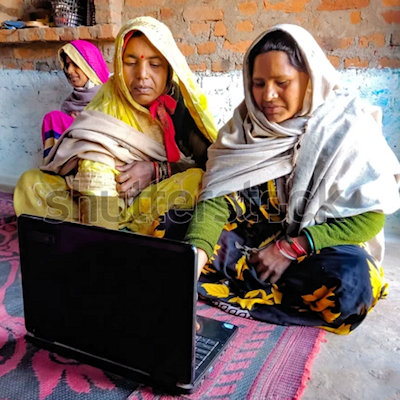
Official statistics face many challenges, but let’s not forget the basics. Open data is one that provides a foundation to ensure data are available for all to use and reuse. It cuts across the whole data value chain, from transparent methodologies to tracking data uptake and use.

The Palestine Central Bureau of Statistics (PCBS) recognizes the many benefits of open data — for performance, transparency, economic growth, innovative services, new business models, and measuring and monitoring progress toward achieving Sustainable Development Goals (SDGs).

This case study looks at how laws granting autonomy to the statistical office have helped significantly advance data use in Mexico through better management and active engagement with data users.

To promote national technical capacity to open and use data, Open Data Watch and the Inter-American Development Bank hosted a series of workshops in five countries in Latin America and the Caribbean.