

BLOG
27 October 2026
Beyond Counting: Data Agency Transforms LGBTI Data into Policy Impact
Being counted matters, but it is not enough. Better data make experiences more visible, but do not guarantee change. New research shows how data agency can move evidence from collection to impact.

30 July 2026
Forum: Gender & Child Data in Africa
At a milestone moment, the inaugural AGCS Forum reaffirmed that statistics matter not only to advance rights, justice, and opportunities for all, but also to elevate the role of data for more inclusive development impacting women and children.

29 July 2026
Data that Deters Corruption
With the estimated global cost of corruption now reaching $3.6 billion annually, a new transparency tool shows how data can shine a light on corruption and promote transparency, accountability, and good governance.
27 July 2026
ODIN 2026/27: The People and Processes Behind Assessments
For over a decade, the Open Data Inventory (ODIN) has independently measured the coverage and openness of official statistics published by National Statistical Offices (NSOs). The 2026/27 exercise is underway with 11 trained researchers evaluating national data across 23 categories and 60+ indicators for 198 countries.
16 July 2026
Data: The Missing Link to Food Security
Reliable agricultural data is the cornerstone of food security and productivity, leading to smarter investments and strengthening decision-making at both the farm and the policy level.
18 June 2026
Insights from the Data Festival 2026
The 2026 Global Data Festival examines the need to rethink data systems in response to rapid technological change, to recognize that data systems must become more inclusive, and to understand that no single actor can address today’s data challenges alone.

1 June 2026
A Year After USAID: Reclaiming Control of Data Systems
In the year since warning that the USAID cuts would result in a data crisis where some countries would lose access, for example, to critical health data, how have those systems and countries actually fared?

20 May 2026
What MeasureDev 2026 Means for Official Statistics
How can and must a decade of open science practices evolve as AI reshapes what’s possible? Four takeaways from this year’s “Measuring Development Conference”.
19 May 2026
Three of the Hardest Data Conversations
As new technologies emerge in a time of shrinking resources. strong data systems are not just about producing more data; they are about building trust, enabling civic participation, and ensuring data are used to drive equitable and lasting change.
19 May 2026
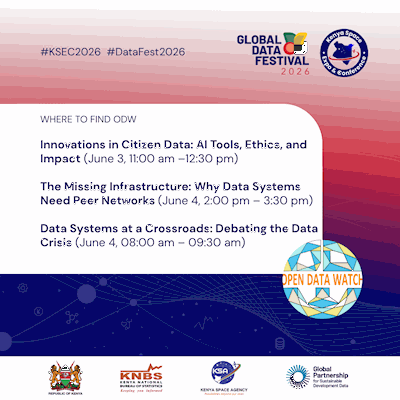
Where to Find ODW at the 2026 Global Data Festival
At the Global Data Festival, Open Data Watch leads discussions on how to use technologies like AI for citizen data, how to strengthen data systems under pressure, and why peer networks are so essential to the infrastructure for sustainable progress.

11 May 2026
Strengthening Open Data in Kazakhstan
As countries like Kazakhstan prepare for the next round of ODIN, the focus is not only on measuring progress but also on supporting it.

27 April 2026
What We Built Together: A Brief History of Data2X
Tracing the evolution of the global gender data ecosystem, this Reflection Report looks back on more than a decade of Data2X’s work and contributions to advancing more inclusive data for effective policymaking as Data2X enters its next chapter with ODW.
16 April 2026
ODIN 2026-27 Assessments Begin in May
In mid-May, the ODIN 2026/27 assessments of the coverage and openness of official statistics will begin. Covering 197 countries, this year’s round includes several important updates.
25 March 2026
Data Systems in a Changing Landscape
Two major global conferences, the UN Statistical Commission and the Commission on the Status of Women, underscore that data systems are under strain, but propose ways to rethink how they can be strengthened, financed and used effectively.
1 March 2026
ODW at the 57th UN Statistical Commission
The 57th UN Statistical Commission (3-6 March) gathers chief statisticians from countries, international organizations, and civil society to share experience and to discuss standards, methods, and goals for international statistics. Open Data Watch will co-host events on citizen data, the data systems crisis, and time use data.
17 February 2026
Press Release: Data2X and Open Data Watch Join Forces to Advance Gender Data for All
The partnership will shift Data2X’s gender data work and integrate it into Open Data Watch’s broader data systems efforts to better inform policies and improve outcomes for women and girls worldwide.
17 December 2025
Moments that Defined the 2025 Data Community
For the development data community, 2025 was a defining year, marked by disruption and reinvention, major funding cuts, political shifts, and unprecedented strains on data systems just when demand for data reached all-time highs.

8 December 2025
Strengthening National Statistics Through Openness
In the fast changing global data environment, the need to integrate and provide access to official and new data sources makes open data principles and practices more important than ever. Modules from recent expert workshops provide practical guidance on how to strengthen national statistical systems through openness.

1 December 2025
Data Fuels Financing for Development via Broader Coalition
A new PRESS report lands at a critical moment, shining light on who finances data and statistics, on dangerous concentrations and promising opportunities, on gaps between commitments and disbursements, and on ways to bolster evidence-based advocacy for sustainable financing.

20 November 2025
Building Bridges for Better Gender Data in Sri Lanka
Sparking conversations about how to make gender data a stronger part of national planning and decision-making, BRIDGE helps Sri Lanka measure the maturity of gender data, not just in numbers, but also in terms of coordination, policy support, data use, and capacity.
28 October 2025
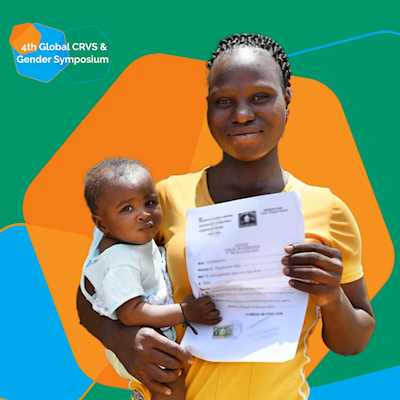
Reflections from the 4th Global CRVS and Gender Symposium
The 4th Global CRVS and Gender Symposium discussed how inclusive and gender-responsive CRVS systems can drive equitable development outcomes. In light of country experiences, participants underscored the importance of continued collaboration to secure long-term, gender-responsive financing for CRVS.
26 September 2025
Urgent Need for Intersectional Disability Data
Intersectional disability data reveals how overlapping identities—such as disability, gender, and income—shape lived experiences and expose who is most at risk of being left behind. When communities lead the data process, it can drive more inclusive policies with lasting impact.

12 September 2025
Citizen Data at HLPF: Advancing Inclusive Data
A workshop at the High-Level Political Forum (HLPF) examines Copenhagen Framework case studies and practical tools for citizen-generated data to strengthen official data systems.

23 July 2025
The 7th AGSF: Strengthening Gender Data in Africa
Participants from 45 countries at the 7th Africa Gender Statistics Forum (AGSF) explored how to move from theory to action and how in practice to make gender and intersectionality data more inclusive, meaningful, and actionable.

22 July 2025
Bridging Communities: Citizen Science Meets Citizen Data
Scholars, practitioners, and facilitators in the field of participatory sciences gathered at the 2025 Participatory Sciences Conference to discuss how to bridge citizen data and citizen science communities to pave the way for powerful new collaboration on complex social, economic, and environmental challenges.
20 July 2025
Revisiting the Data Revolution: A Pathway to SDGs
The Sustainable Development Solutions Network (SDSN) examines and challenges some underlying assumptions of the data revolution in order to guide future investments in data towards more effective solutions.

30 June 2025
Spotlight on the Future of Data at FfD4
In the context of rising geopolitical tensions and shrinking development cooperation programs, the Fourth International Conference on Financing for Development (FfD4) aims to chart the path for the next decade of development financing.

24 June 2025
Financing Development Through Data: A Guide to FfD4 Side Events
In an era of tightening budgets, growing debt burdens, and ambitious development goals, the role of data in shaping fair, effective, and accountable financing systems is back in the spotlight at the Fourth International Conference on Financing for Development (FfD4).

5 May 2025
America Is Erasing the Data the World Needs
For evaluating trends in, for instance, economics, climate, and health, US government data have long played a vital role in guiding policy, both at home and internationally. But the production and reliability of long-standing, widely used US data sources are now under threat.
Lire en français dans Le Monde

28 April 2025
ODIN 2024/25: A Decade of Progress with New Risks Ahead
The 7th edition of the Open Data Inventory (ODIN), covering 197 countries across 22 categories of official statistics, reveals that countries are making substantial progress, but that the changing data ecosystem also faces risks without sustained commitment and investment.

27 March 2025
Beyond Disaggregation: Intersectional Data for Development
While traditional data disaggregation — separating data by gender, age, or income — helps identify disparities, it often misses how multiple factors overlap. Intersectional data allows us to see the full picture.
26 March 2025
Inclusive Data for Inclusive Progress: ODW at CSW 2025
The Commission on the Status of Women (CSW69) this year looked at how data can drive change for women and girls, emphasizing that comprehensive, accessible, and inclusive data are essential both to making and tracking progress.

20 March 2025
Six Takeaways from the UNSC 2025
Topics at this year’s United Nations Statistical Commission (UNSC) ranged from the new System of National Accounts (SNA), to the 2030 Population and Housing Census, the new framework for Citizen Data, SDG progress, time use surveys, data financing, and the impact of AI. Six key takeaways emerged.

24 January 2025
SDG Financing Gap Needs Strong Data Systems
The world is off-track to meet 2030 SDGs, due in part to a persistent financing gap of $2.7-$4 trillion annually. Robust data systems can inform policy, shape solutions, ensure efficient public resource use, and drive private resource mobilization. But too often, national data and statistical systems face chronic underinvestment.

23 January 2025
Welcoming Meriem to the ODW Team
After years of collaboration to build more inclusive and responsive data systems; Open Data Watch welcomes Meriem Ait Ouyahia as the Gender Data Network Coordinator.
18 December 2024
2024 at ODW: A Year of Growth and Impact
As 2024 draws to a close, ODW looks backs on a decade of growth and learning — supporting countries to transform their data ecosystems, monitoring and promoting high-quality data and standards, providing research and data support to both countries and agencies, and leveraging combined substantive and networking resources to offer practical policy advice to improve data systems.

17 December 2024
FfD4: Investments in Data for Effective Development Financing
National data systems have grown significantly in the last decade, but still fall short in delivering actionable insights needed by policymakers to make better financing decisions for better development outcomes.

3 December 2024
A Call for Inclusive Financing at FfD4
The recently published “Elements paper” for the outcome document of the 4th International Conference on Financing for Development (FfD4) puts special focus on data and financing for data as a cornerstone of inclusive and evidence-based decision-making for sustainable development.

25 November 2024
Driving Change Through Data: ODW at the 2024 UNWDF
ODW had an active role at the recent UN World Data Forum where data experts, policymakers, civil society groups, and advocates focused on inclusive data, trust and ethics, effective partnerships, and maximizing the use and value of data in decision-making.
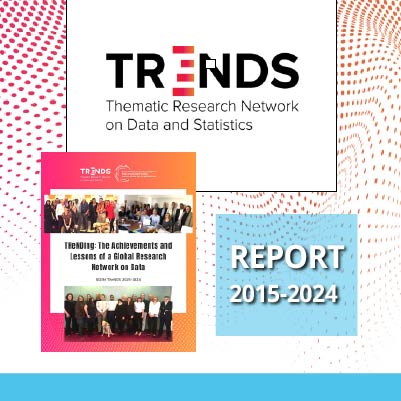
2 November 2024
TReNDing: Achievements and Lessons of Global Research on Data
For a decade, TReNDS has gathered leading experts and actors to discuss the power of data to achieve progress on SDGs. It’s latest report reflects on the network’s achievements and proposes a way forward.

29 October 2024
Open Data Watch Celebrates 10 Years
Ten years ago, Open Data Watch (ODW) started with a clear goal: that sustainable development can and must be empowered with quality operational data. It has been a journey defined by energizing partnerships, adding value, staying adaptable, and continually evolving.

26 October 2024
ODW at the 2024 World Data Forum
Aiming to spark innovative ideas, collaboration, and partnerships for better sustainable development data, this year’s World Data Forum in Medellín, Colombia, will for the first time be running concurrently with a global “Commit to Data” campaign. ODW is active in both.

30 September 2024
Summit of the Future and Data for Development
Some critics see the outcomes of the UN’s recent “Summit of the Future” as out of touch with reality, but we believe the initiatives address key areas of importance that are worth watching.

26 September 2024
Keeping Gender Data on the Global Agenda
A special event during the UN General Assembly stresses that gender data and inclusivity must remain at the forefront of global discussion, action, and commitments.
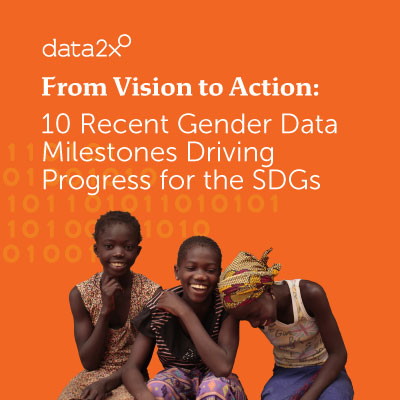
19 September 2024
Ten Milestones for Gender Data
Gender data is now deeply woven into SDGs with ten notable areas of achivement to close data gaps, integrate gender data into policymaking, and create lasting partnerships that improve gender equality worldwide.
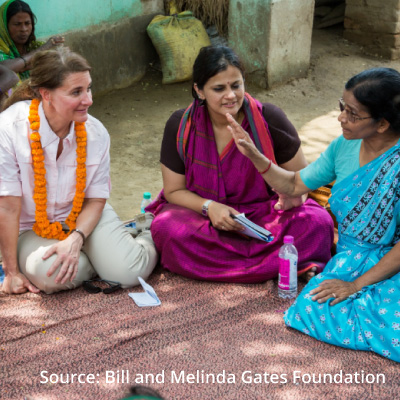
11 June 2024
New Chapter for Gender Equality and Gender Data
Though leaving Gates Foundation, Melinda French Gates will continue to champion evidence-informed gender equality through her Pivotal Ventures group, with $1 billion for integration of gender equality into core values and practices at national, local, and global levels.

31 May 2024
Combining Digital Development and Data for Development
Among the five objectives of the Global Digital Compact, Objective 4 on “Advancing responsible and equitable international data governance” is particularly relevant to official statistics and data for development.

29 April 2024
Uzbekistan Reinforces Open Data and Gender Data
A series of workshops in Uzbekistan focused on enhancing open data practices, with emphasis on gender-related information, to foster more inclusive decision-making.

25 April 2024
Are Official Statistics Ready for AI?
Just as open data from official statistics are crucial for evidence-based decision-making by humans, it is vital that official data being used to train AI algorithms are AI-ready and machine-understandable with well-documented metadata..

17 April 2024
ODIN 2024/25 New Round of Assessments Begins in June
The 7th round of the Open Data Inventory (ODIN) begins in June. As the world’s independent measure of the coverage and openness of official statistics, this year’s ODIN takes place against a backdrop of urgent need for evidence-based policies, citizen engagement, and ground rules for the AI revolution.-

26 March 2024
Open Data Watch at the Commission on the Status of Women
The 68th Commission on the Status of Women (CSW) marked a milestone in ODW’s commitment to advancing gender equality through data on poverty alleviation, stronger institutions, and smarter financing.

12 March 2024
A Real Data Revolution in Data for Development
There is no way to achieve the SDG goal of *leaving no one behind” without data on often multiple barriers faced by people, including combinations of gender, age, race, ethnicity, disability, migration status, sexual orientation, and gender identity.
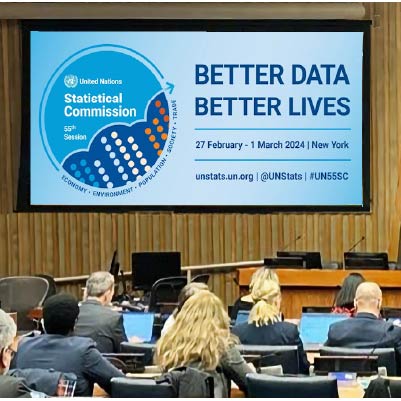
5 March 2024
Takeaways from the 2024 UN Statistical Commission
Having observed the evolution of agenda items at the UN Statistiical Commission and the expansion of the side events calendar, ODW takes a moment to reflect on key takeaways from this year’s 55th session.

1 March 2024
Celebrating Open Data Week
Celebrated during the first week of March, Open Data Day is a perfect time to remember the five ways to to amplify data use and drive meaningful impact in people’s lives through policy guidance, data support, monitoring and assessments..
25 February 2024
Data Drives Progress: A Call for Commitments
In anticipation of this year’s UN World Data Forum, a meeting at the 55th UN Statisitcal Commission challenges all stakeholders to turn dialogue into transformative change by making concrete commitments to accelerate action and to assure the impact of data for improving lives.
21 February 2024
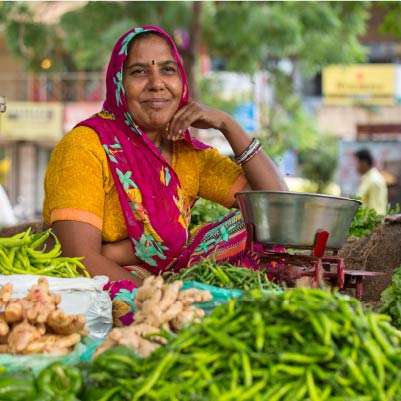
It’s Time for More Time-Use Surveys
Data on unpaid care and domestic work from time-use surveys are essential to progress on gender equality, but data collection in many countries is falling short.

31 January 2024
Five Reflections on Policy and Partnerships
ODW’s Director of Policy and Partnerships, Francesca Perucci, reflects on recent changes, trends, challenges and the potential for working collectively to use data and statistics to drive positive change.

22 December 2023
AI and Open Data Reloaded for 2024
It seems AI is making “open data” fashionable again. Initiatives like Google Data Commons are revolutionizing how people share and access information, but open data principles must be at the core of AI in 2024.

20 December 2023
Open Data Watch in 2023: Reflections
As we say farewell to 2023, members of the Open Data Watch team each summed up the year in just one word or phrase.
18 December 2023
SDG 17.18.1 Measures National Capacity to Produce Sustainable Development Indicators
What is SDG Indicator 17.18.1? What does it do? Why is it important? And why did it take so long to establish this indicator?

26 October 2023
Gender Data and Intersectionality
Data2X launches a new program on gender data and intersectionality to answer questions about how to include certain excluded groups in measurement instruments, and how to address related legal, data governance, technical, and financing issues.
21 September 2023
Gender Equality through Smart Data Investments
At the halfway point of the Sustainable Development Goals (SDGs), it’s time to shift focus from persistent challenges to promising opportunities in the realm of gender equality. It is a truly exceptional moment to invest in gender data.

20 September 2023
Unlock the Data Dividend for the SDGs!
A Who’s-Who of leading civil society and data for development organizations, including ODW, have signed a letter that calls on world leaders to harness the power of data and unlock the data dividend for the SDGs.

14 September 2023
Open Data for SDGs Spurs Inclusive Development
Open data began as a movement to enhance transparency, accountability, and public engagement. It’s now evolved into a potent catalyst for sustainable development. As Ai reshapes societies, open data partnerships will play a pivotal role.
31 August 2023
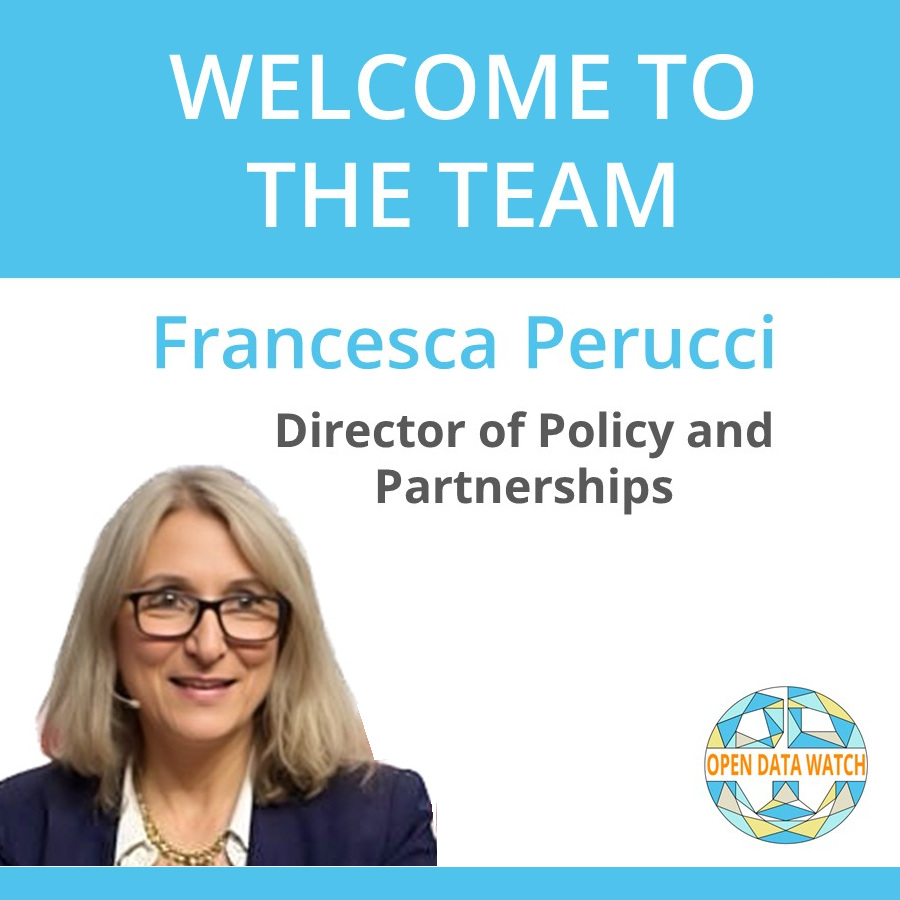
Welcoming Francesca Perucci to the Open Data Watch Team
Open Data Watch (ODW) is thrilled to announce the newest member of our team, Francesca Perucci, an expert in the field of development data and the advancement of global data initiatives.

19 July 2023
Four Steps to Power SDGs with Gender Data
When 44 countries report on SDG progress at the UN’s High-Level Political Forum (HLPF) this week, it is an opportunity to mainstream gender data as a way to power long-lasting change through four actions.

5 July 2023
Open Data Matters: Spurring Data Use and Impact in Malaysia
Allowing Malaysia to analyze, absorb, and share new information released by various parties, open data is now a core tool for improving the use, sharing, and impact of government data.

22 June 2023
Charting a Course for Gender Equality: Introducing the Gender Data Compass
Through monitoring, research, and advocacy, the new Gender Data Compass offers practical, informed guidance for strengthening national gender data systems and gender equality policies. The Compass covers all 50 gender indicators of the Open Gender Data Index (OGDI).

21 June 2023
Bringing NSOs’ Existing Strengths to Data Stewardship
Data stewardship presents challenges for National Statistical Offices, but NSOs also start from points of strength — like experience with fundamental principles, rigorous data definitions and standards, and a strong peer network — that are real assets for effective data stewardship.

8 June 2023
Open Data Matters: Generating Major Benefits in Mexico
Mexico is finding that open data is a strategic resource with major transformative impacts at every level. Its Open Infrastructure initiative, so far involving 23 institutions and 55 organizations, is a prime example.

19 May 2023
UNWDF: Advancing Data Use and Overcoming Data Graveyards
As our rate of data production grows exponentially, gaining insight into the needs of users of official statistics is key for countries and was a hot topic in World Data Forum discussions on data graveyards and institutional barriers to effective data use
7 April 2023
Open Data Watch at the 2023 UN World Data Forum
Don’t miss the events that Open Data Watch is co-hosting or speaking at during the 2023 UN World Data Forum in Hangzhou. Topics span a broad range — Data in the Care Economy, Data Graveyards, Gender Data, Data & Misinformation, and Data for the Public Good and Achieving SDGs.
6 April 2023
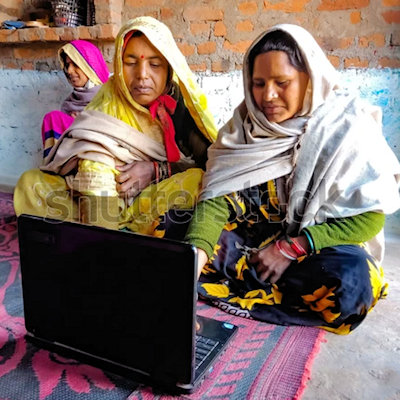
Open Data Matters: Getting Back to Basics
Official statistics face many challenges, but let’s not forget the basics. Open data is one that provides a foundation to ensure data are available for all to use and reuse. It cuts across the whole data value chain, from transparent methodologies to tracking data uptake and use.

4 April 2023
Open Data Matters: Palestine’s Path Towards Progress
The Palestine Central Bureau of Statistics (PCBS) recognizes the many benefits of open data — for performance, transparency, economic growth, innovative services, new business models, and measuring and monitoring progress toward achieving Sustainable Development Goals (SDGs).

21 March 2023
Mexico Expands Data Use with Improved Governance and User Engagement
This case study looks at how laws granting autonomy to the statistical office have helped significantly advance data use in Mexico through better management and active engagement with data users.

7 March 2023
5 Lessons from Open Data Workshops in Latin America and the Caribbean
To promote national technical capacity to open and use data, Open Data Watch and the Inter-American Development Bank hosted a series of workshops in five countries in Latin America and the Caribbean.

6 March 2023
Open Data Day 2023: Tracking Progress and Charting a Path Forward
Open Data Day 2023 comes at a particularly important time as wars and humanitarian crises need accessible,high-quality data to respond effectively to complex social, cultural, economic, and political issues.
16 February 2023
UK Identifies User Needs to Improve Data Use
This case study looks at how data use of official statistics in the U.K. is promoted through a steadfast commitment to meeting users’ needs based on analysis of data use demands, data literacy training, and engagment with dedicated user and expert groups.
14 February 2023
First Look at ODIN 2022/23 Rankings
The sixth edition of the Open Data Inventory (ODIN) is now online with results for 192 countries. ODIN assesses the coverage and openness of official statistics to identify gaps, promote open data policies, improve access, and encourage dialogue between national statistical offices (NSOs) and data users.
1 February 2023
Farewell to ODW’s Visiting Statistician
ODW’s first Visiting Statistician, Luis Gonzalez Morales, reflects on his sabbatical experience while at Open Data Watch and as he returns to the UN Statistics Division.
25 January 2023
Philippines Centralizes Data Governance to Improve Data Use
This case study looks at how the Philippine Statistics Authority (PSA) successfully centralized the data governance of major national statistical agencies to ensure that datasets are better tuned to user needs and can be efficiently used for policy and planning purposes.

21 December 2022
Open Data Watch – Our Story in 2022
As 2022 comes to a close, Open Data Watch (ODW) reflects on what has been achieved and what is left to be done to support open data for development, better data governance, fewer data gaps, and more impactful data use to improve people’s lives.worldwide — all eight billion of them.

10 December 2022
Sharp Decline in Gender Data Funding Puts SDG 5 at Risk
Funding for gender data decreased by 55% in 2020 — nearly three times the drop in funding to data and statistics overall. But a four-part strategy to support data for SDG 5 could reverse this trend.

6 December 2022
Colombia’s DANE Adopts Inclusive Data Approach
This case study looks at how Colombia’s National Statistics Office (DANE) captures several new data dimensions to improve the visibility of minority groups in national statistics through inclusive, disaggregated data.

30 October 2022
Climate Change Data: Playing by the Paris Rulebook
To make progress on climate change, countries need to know how to measure their goals and spur innovation in both the collection and use of climate change data.
29 September 2022
Meet ODW’s Visiting Statistician
Open Data Watch is pleased to welcome our first Visiting Statistician, Luis Gonzalez Morales, who joins us from the United Nations Statistics Division.
16 September 2022
Report: Overcoming Data Graveyards in Official Statistics
Billions of gigabytes of data are produced daily, but valuable data often pass into “data graveyards” — lost when most needed for evidence-informed decisions on pandemics, climate change, and energy and food insecurity. This report finds best practices to improve data use and impact.

8 September 2022
UNGA: Investments in Gender Data
The world is behind in collecting and producing the data needed to measure gender equality, slowing progress towards achieving this critical human rights and development goal. Will UNGA act to chart a new course?

8 September 2022
Event Series: Financing Gender Data
Investing in data ecosystems that include gender is vital to responding to pandemics, climate change, and global conflicts. But closing the gender data financing gap needs a strategy to make funding to go further in a time of scarcity.
27 July 2022
Meet the Researchers Behind the Open Data Inventory
The growth and impact over the years of the Open Data Inventory (ODIN) would not be possible without the dedicated researchers behind it.

18 July 2022
Three Ways to Close the Gender Data Gap
How can countries, development actors and other partners accelerate the pace to finance gender data? Research suggests three ways.

13 July 2022
Open Data Roundtable Assesses Recent Progress and Future Risks for NSOs
The push for Open Data has made phenomenal progress in the last five years, but are there risks ahead for National Statistical Offices, data users and partner groups?

2 July 2022
Data Portals: Steps towards an Integrated Digital Strategy
Data portals are a primary gateway for evidence-based decision-making, monitoring, fact checking, and reporting. But not all portals have the upstream data management needed to assure coverage, access and use.
19 May 2022
The Power of Networks: Gender Data in Africa
As shown by the Gender Data Network in Africa, knowledge exchange between countries is key to addressing capacity, funding, and other challenges to have data needed to reach SDGs.

28 April 2022
Webinar Urges NSO Data Use for Fact-Checking
This webinar identifies obstacles and opportunities of using official statistics data for fact-checking and outlines a cooperative strategy to curb the spread of misinformation.

20 April 2022
Briefing: Better Measurement and Monitoring of Data for Development
Do the tools that measure the capacity and outputs of statistical systems answer compatible questions and provide consistent assessments? See this overiew of new comparative findings and recommendations.

12 April 2022
ODIN 2022/23 Coming Soon
The upcoming Open Data Inventory, ODIN 2022/23, will include new updates that expand its global coverage from 187 to 194 countries and reinforces the importance of gender data in countries’ statistical systems.

8 April 2022
Improving Women’s Economic Empowerment and Gender Equality Indexes
A review of 20 indexes covering women’s empowerment and gender equality brings a call for new good practice standards, including transparency guidelines that spell out the assumptions or judgements behind the data and rankings.

30 March 2022
Freeing Energy Data
Reliable, open energy data are vital to building green economies, adapting to climate change, and even, as in Ukraine, to track the impact of conflict. But the largest collection of energy data is locked behind a pay wall at the International Energy Agency. How to open?

4 March 2022
Open Data Day 2022: Open Data to Improve the Lives of All
Without open data, informed decisions and accountability are not possible. When data are locked behind paywalls, innovation is stifled. But change is underway to improve access to data.
12 February 2022
Moving from Data Production to Impact: The Role of the NSO
A UN Statistical Commission event, “Moving from Data Production to Impact” discusses the role of NSOs in facilitating greater data use and avoiding “data graveyards.”
11 February 2022
The Power of Open Data: Moving from Concept to Action
A UN Statistical Commission event, “The Power of Open Data: Moving from Concept to Action,” reports on the latest best practices for NSOs to implement open data, including “Open Data by Default,” Interoperability, and local-level data sharing that safeguards confidentiality and privacy.

18 December 2021
2021: A Transformative Year for Open Data Watch
What a year 2021 has been for Open Data Watch as we navigated the pandemic, grew our team, did new research, published the 5th ODIN report, fortified partnerships and doubled-down on our commitment to high-quality, open, timely data for sustainable development.

15 December 2021
Strengthening CRVS Systems to Improve Migration Policy
Migration is one of the most pressing issues of our time and innovation in data systems like civil registration and vital statistics (CRVS) can greatly benefit both migrants and policymakers.
3 December 2021
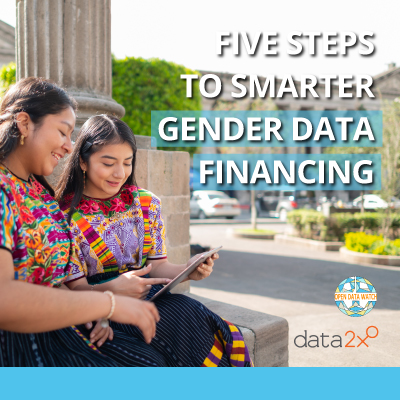
Five Steps to Smarter Gender Data Financing
Accessible and timely sex-disaggregated data are critical in helping policymakers understand and address the unique challenges that women and girls face. But do investments in gender statistics match their importance?
11 November 2021
Beyond the Data Set: Empowering Tomorrow’s Leaders of Gender Data
Foreign Policy’s recent “Her Power Summit” reminded us that, while mastering the complexities of gender data is crucial, it is equally important to recognize the leaders charting the course to a more data-equitable world, and the barriers they often face.
31 October 2021
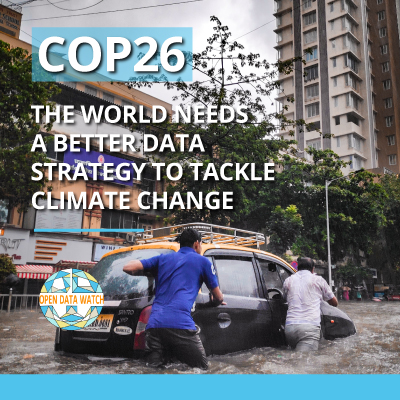
COP26: The World Needs a Better Data Strategy to Tackle Climate Change
The most climate-vulnerable regions of the world lack the adequate environment data to combat climate change. Averting a climate crisis requires a data strategy that promotes high-quality, open, and timely data across all countries.
15 October 2021
UN World Data Forum 2021: Moving from “What” to “How”
The UN World Data Forum 2021 was the first major opportunity since the pandemic for development data experts and users to assess the lessons and impact of COVID-19 on Sustainable Development Goals. Four main takeaways show a move from “what” to “how” data can be used to achieve SDGs.
4 October 2021
Defining Data Stewardship
A clear definition of data stewardship can help build a common understanding about what it takes to establish a system of resilient data governance built on strong partnerships and effective safeguards to balance data sharing and data privacy.
24 September 2021
Find ODW at the World Data Forum!
The UN World Data Forum 2021 gathers data experts and users from governments, civil society, the private sector, donors, international and regional agencies, the geospatial community, the media, academia, and professional bodies to spur data innovation and mobilize high-level support for better data for sustainable development.

20 July 2021
Gender Data Systems: Better Data for All
The Generation Equality Forum defined bold commitments to advance gender equality and women’s empowerment across the globe, launching a global 5-year action plan backed by $40-billion in new funding.
12 April 2021
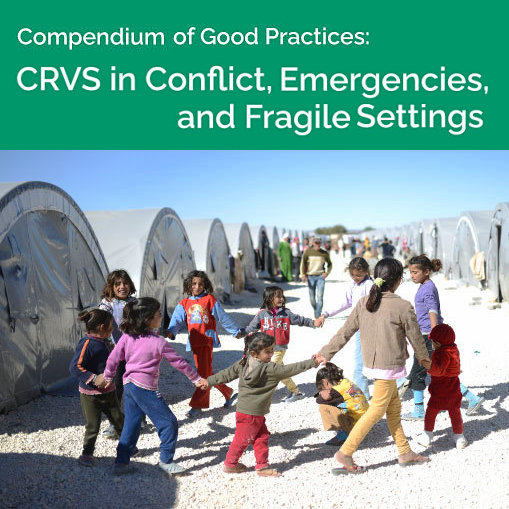
Compendium of Good Practices: Harnessing CRVS in Conflict, Emergencies and Fragile Settings
This 12-paper Compendium presents research, case studies and best practices for building effective CRVS systems in conflict, emergency, and fragile contexts such as natural disasters or health emergencies like COVID-19. Watch the launch event (14 April).
10 March 2021
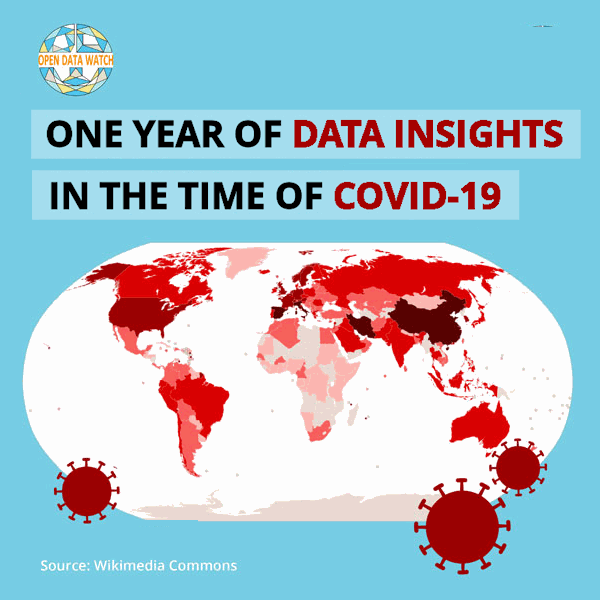
A Year of Data Insights in the Time of COVID-19
The COVID-19 pandemic has brought to the world’s attention the need for accurate and timely data to guide decisions. It has been a stress test, like no other, for statistical systems around the world. One year since ODW started tracking COVID-19 data collection and use, what have we learned?

8 March 2021
International Women’s Day: What we know and don’t know about women
International Women’s Day is a day to note the contributions of women to the economy, society, and their families. In 2021, we call on governments, civil society, and the private sector to fill gaps in our knowledge by building statistical systems that leave no woman or girl behind.

6 March 2021
Open Data Day 2021: Open Data in a Changed World
Today is Open Data Day! What have we learned since the last Open Data Day, during the pandemic, during this week’s UN Statistical Commission and in light of the findings of ODIN 2020/21? Where can data producers and users go from here?

3 March 2021
Interview: First Build the Foundations
In this interview with Matt Ross of the Global Government Forum, Shaida discusses the potential for data to have a huge impact in developing countries, but warns that many nations…
26 February 2021
Countries Share Success Stories using ODIN
Country representatives gather to discuss the 2020/21 ODIN Open Data Inventory Annual Report and to share success stories, challenges and experiences in implementing open data to promote environmental, social and economic progress in their countries.

29 December 2020
ODW’s Countdown to 2021: Ten numbers that defined our year
2020 did not go as planned. But Open Data Watch nevertheless continued to support the Data Revolution by advancing cutting-edge research, maximizing the impact of open data, and highlighting the need for high-quality, timely data in a time of crisis. A few highlights.

15 December 2020
Opening Data, Closing Gender Data Gaps, and Building Back Better
As the world waits for the distribution of a vaccine and treatment options, there is a tool in our arsenal to strengthen our COVID-19 response: open data.
9 December 2020
Podcast: DataJournalism Conversation with Shaida Badiee
This podcast by DataJournalism.com and Open Data Watch covers topics ranging from the genesis of Open Data, to monitoring tools like ODIN, to issues of transparency, susustainable development, gender equality, statistical capacity, and COVID-19.
8 December 2020
Why financing data matters more than ever
We face a paradox: the world runs on data, but even simple statistics to guide policy-makers are often nowhere to be found. Investing in statistics today is investing in our ability to respond diligently, rapidly, and appropriately tomorrow.

18 November 2020
An Investment for the Ages: Financing Gender Data to Meet Pandemic and Development Needs
Investing in better data on women’s realities is a smart investment to enable effective decision-making — both for immediate pandemic response and for longer-term Sustainable Development Goals.
17 November 2020
Three Questions to Ask about the Usability of SDG National Reporting Platforms
Monitoring several national Sustainable Development Goals (SDG) reporting platforms and portals, Open Data Watch reports a number of search and access problems and makes recommendations for potential improvements.
20 October 2020
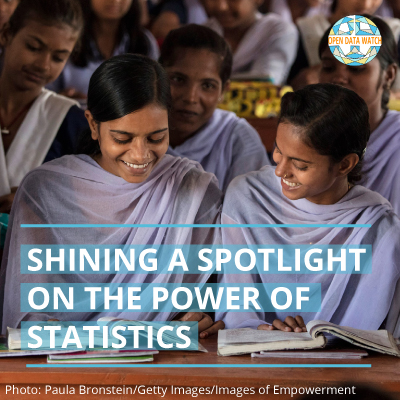
Shining a Spotlight on the Power of Statistics – World Statistics Day
We rely on statistics for everything from forecasting the weather to monitoring economies and pandemics. This World Statistics Day, Open Data Watch highlights the most critical statistics from our areas of work and where we can improve.

30 September 2020
Gender Data Must Be at the Forefront
New research reveals significant gender data gaps in the Latin America and Caribbean region. Despite nearly 25 years of ambitious commitments to gender equality, many countries still lack the data…

27 August 2020
Tracking Gender Data on COVID-19 – Blog #4
This fourth blog of the series examines what emerging measures of the direct impact of the pandemic on healthcare workers can tell us about the frontline capacity of countries and how it differs for men and women.

20 July 2020
Tracking Gender Data on COVID-19 – Blog #3
This third blog of the series summarizes existing data on sex-disaggregated COVID-19 cases and deaths from Global Health 50/50, compares this to overall cases and deaths, and examines the shares that are sex-disaggregated by income and region.
1 July 2020
A Vaccine is Not the Only Answer to COVID-19
The world’s inability to monitor and contain the spread of COVID-19 is costing trillions. With such losses, budgets are tightening. Prioritized spending is critical. Funds and hopes are now focused on the arrival of an effective vaccine. But, once again, that won’t be enough.
27 June 2020
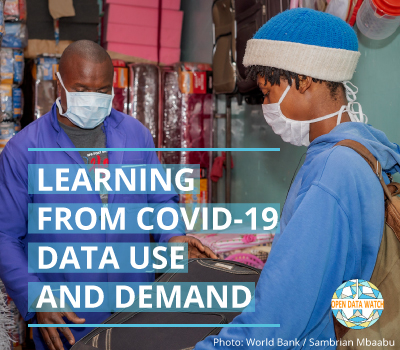
Learning from Coronavirus Data Use and Demand
Accurate, timely data during the coronavirus pandemic guides decisions on limiting transmission and allocating resources. But what are the drawbacks, merits, accessibility, and biases of coronavirus datasets, models and testing? What do we know about uptake of coronavirus data? What can we learn from changing demand for data?

12 June 2020
Tracking Gender Data on COVID-19 – Blog #2
This second blog in the series summarizes the existing data on sex-disaggregated COVID-19 cases and deaths from Global Health 50/50 and asks how complete our picture is when compared to all reported cases and deaths.

5 June 2020
Tracking Gender Data on COVID-19 – Blog #1
We know that the COVID-19 pandemic is affecting men and women differently and that gender roles shape pandemic responses. Now, thanks volunteer efforts via Global Health 50/50, new data are revealing the true impact of COVID-19 on men and women around the world.
28 May 2020
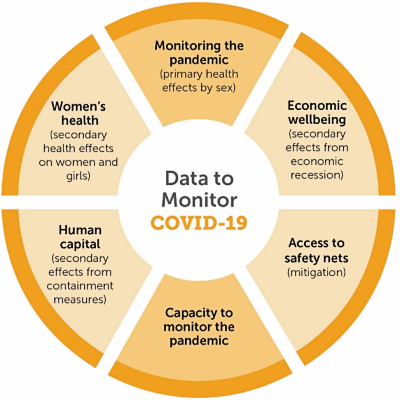
Tracking the Gender Impacts of COVID-19
A review of international databases finds that the coronavirus pandemic is affecting men and women very differently and may exacerbate gender inequalities without a concerted effort to fill crucial gender data gaps.
1 May 2020
ODIN Website to Get Major Overhaul in 2020
In anticipation of the research results later this year for the 2020 Open Data Inventory (ODIN), the ODIN website will get major updates based on a survey of user experiences and needs. View first round feedback and add your own.

9 April 2020
Is Open Data at Odds with Citizens’ Privacy
Countries and citizens benefit greatly from opening official data for public use. But as governments collect more microdata about their citizens, how can data be released in a way that balances the right to public information with the right to privacy?

7 March 2020
Open Data Day 2020: Where do we go from here?
Today is Open Data Day 2020 as well as the end of the 51st session of the United Nations Statistical Commission. It offers a good occasion to reflect on the current state of open data and what’s next.
21 February 2020
ODIN 2020 – New Indicators & Updates
In April 2020, Open Data Watch commences the 5th Open Data Inventory (ODIN). The updated ODIN will feature much of the same features from previous editions with a few key updates.

6 January 2020
SDSN TReNDS Roundtable: Governing the Data Revolution
In this exclusive roundtable on “Governing the Data Revolution,” a selection of TReNDS Expert Members debate many of the themes featured in the recent flagship report, Counting on the World to Act.

3 January 2020
Open Data Watch – Our Story in 2019
In 2019, Open Data Watch (ODW) had its most eventful year yet. We expanded our efforts to provide technical assistance on open data to countries around the world. We…
11 December 2019
A Long Way to Go for Data to Make a Difference
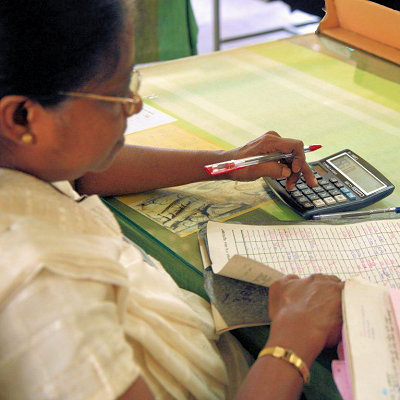
Countries have a long way to go before data begins to make a difference. The OGP Global Report: Democracy Beyond the Ballot Box synthesizes Open Government Partnership findings to provide comparable snapshots of all OGP members. It combines this with data published by respected partners, including Open Data Watch’s Open Data Inventory (ODIN), allowing readers to learn about their country’s progress in OGP and compare it to real-world performance in other selected dimensions.
16 October 2019
Data Deprivation: Progress Has Stalled
At a moment when everyone talks about gushing big data, it may seem contrarian to say the world is short of data. But a look at NSO websites or the database of SDG indicators shows many gaps. The median coverage score of the 178 countries in ODIN is only 44 percent. This blog moves from general to specific, looking at data crucial to monitoring the first SDG goal: eradicating poverty.
23 September 2019
Counting on the World to Act
Counting on the World to Act, published by SDSN TReNDS, is an exceptional data report covering some specific areas of data governance that have been missing from the conversation so far, including discussion of amended laws, new data officers, the digital ecosystem, and the case for investment.
27 August 2019
Leave No One Behind: Data Disaggregation for SDGs
A central promise of the SDGs is to leave no one behind, but current indicators measuring progress don’t keep that promise. Aggregates and averages aren’t enough to know if the needs of the poorest of the poor, women, children, the elderly and other vulnerable groups are met or slip through the cracks.

9 August 2019
Supporting Global Efforts to Strengthen CRVS
In support of good practices to strengthen civil registration and vital statistics (CRVS), the authors of a paper in the latest Knowledge Brief have created a reference guide identifying key gender barriers to registration of birth and deaths, and mapping supply-side issues to needed demand-side research.

14 June 2019
#ThePowerOf CRVS for Gender Equality
More than 8,000 participants gathered in Vancouver, Canada for the world’s largest conference on gender equality and the health, rights, and wellbeing of girls – Women Deliver. IDRC, Data2X and ODW brought civil registration and vital statistics (CRVS) into the discussions.

24 May 2019
Is Website Downtime a Barrier to Open Data?
It is a serious problem for data users when critical official datasets cannot be accessed because an NSO website is offline. How do NSOs compare to businesses that work hard to ensure constant uptime for their websites and what lessons can be learned?

21 May 2019
Book Launch: The State of Open Data
A new book from the OD4D network, The State of Open Data, looks at current and future challenges facing open data advocacy and practice. The book includes a chapter on National Statistics written by Open Data Watch.

17 April 2019
Resources for Data: Transformative Opportunities?
Experts gathered recently in Washington to discuss an issue underpinning all other development issues – the gaps in data and statistics needed to implement Sustainable Developmentd Goals (SDGs). Effective policies to provide a better life for people require more and better data, but how to fund it?

13 March 2019
SDG Reporting Platforms Show New Progress & Priorities
National reporting platforms (NRPs) are showing progress in accessibility, usability, interoperability and openness, according to a new study by ODW and CODE. The 36 NRPs analyzed were found to be…
4 March 2019
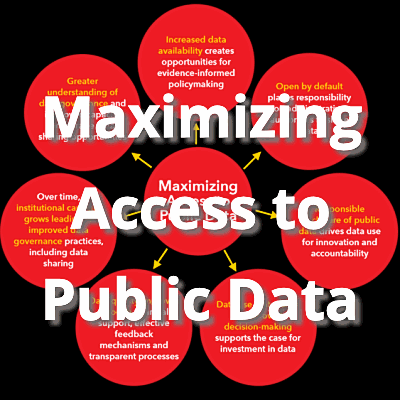
ODW Brief Tackles Public Data Sharing Approaches
Data have new significance, due to sheer volume and importance for decision making. Calls to make publicly-produced data freely available are increasing in step. But the potential of data to…

2 March 2019
Open Data Day Takes Stock of Progress
The 9th annual celebration of Open Data Day on 2 March is not only an opportunity to highlight the benefits of open data and encourage open data policies by governments,…
22 February 2019
Latest Efforts to Bridge the Gender Data Gap
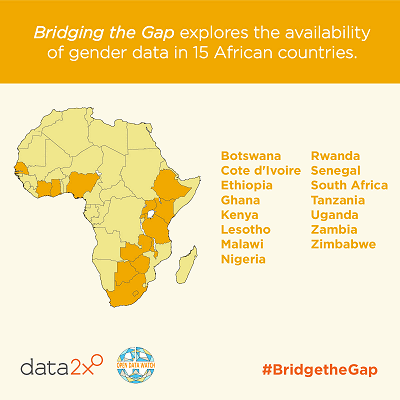
As a side-event during this year’s UN Statistical Commission, Data2X, and Open Data Watch will launch a new technical report , Bridging the Gap: Mapping Gender Data Availability in Africa. In advance,the two teams sat down with GPSDD to discuss the motivation behind the project.

2 January 2019
Open Data Watch – Our Story in 2018
2018 was a productive and busy year at Open Data Watch. We launched reports, created new partnerships while strengthening old ones, traveled the world as a champion for open data and gender data.
23 October 2018
Marriage & Divorce Certificates for Women’s Empowerment
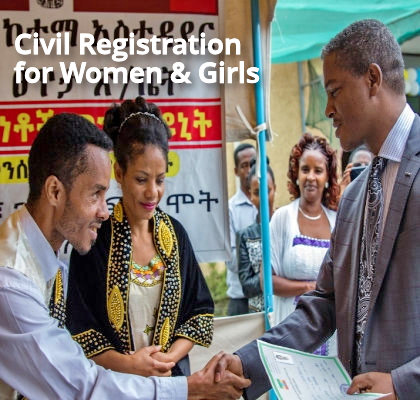
When vital life events – such as births, deaths, marriages, and divorces – are systemabtically recorded in CRVS systems, they provide proof of identity and legal status that are particularly beneficial to women and girls. They also provide sex-disaggregated demographic data for better policies and planning.
18 October 2018
World Data Forum: Catalyzing the Use of Official Statistics
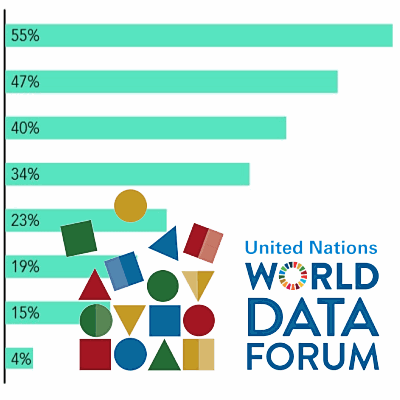
A two-part research project on NSO data use was presented at the World Data Forum. One part seeks to understand perceptions of data use through snap polls. The other looks at potential ways to measure actual data use.

17 October 2018
New Look for the ODW Website
Just as the Data Revolution is constantly changing and innovating, we try to refresh the ODW website regularly to respond to changing use.

19 September 2018
IODC 2018: New Perspectives, Finding Common Ground, Listening & Learning
For the International Open Data Conference (IODC) in Buenos Aires, where the focus is on a key action item of the Cape Town Global Action Plan and a related report to the UN Statistical Commission — Open Data — the ODW team arrives with three main goals.
30 August 2018
World Data Forum Preview: Catalyzing the Use & Impact of Official Statistics for SDGs
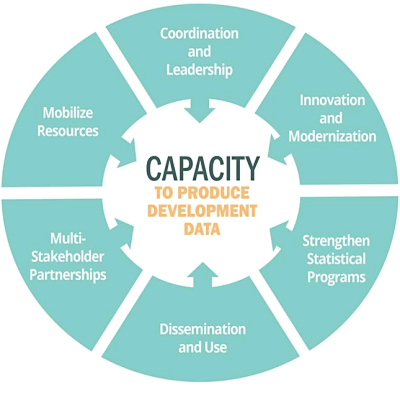
A new collaborative research study to be presented to the October 2018 World Data Forum in Dubai finds potential ways to innovate and modernize national statistical systems to catalyze the use and impact of official statistics for sustainable development.
12 July 2018
Country Engagement Reaches New High
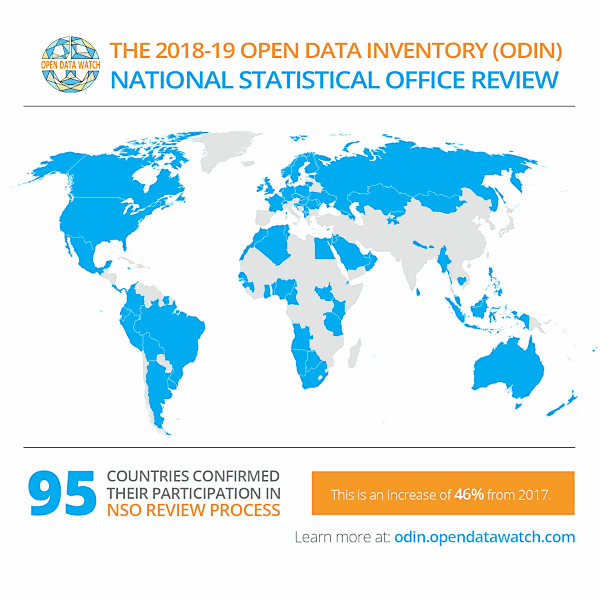
In step with countries announcing commitment to improve the openness of official statistics, the ODIN team has redoubled efforts to assist with identifying available datasets and to strengthen mutual understanding of the practical challenges and benefits of the assessment methodology and the resulting scores.

12 July 2018
Oman Creates Strong Action Plan for Official Statistics
Although the research phase of the 2018/2019 assessments for the Open Data Inventory (ODIN) is already underway, countries still have time to make changes to improve their ODIN scores, as recently exemplified by the country engagement process in Oman.

24 April 2018
Lessons Learned for Financing a Global Pact for Development Data
The UN’s Cape Town Global Action Plan for Sustainable Development Data (CTGAP) calls for urgent action on a global pact to modernize and strengthen national statistical systems in lower-income countries where, despite being under-resourced and under-staffed, they face increasing demands from data users and increasing needs to measure SDGs.

17 April 2018
Understanding the Value & Impact of Data
Why do investments in data remain low, despite the often cited need for high-quality data to guide policies and promote evidence-based decision making for sustainable development?

26 February 2018
Birth Registration – A Foundation for Gender Equality
Many people take their birth certificate for granted. But in the developing world, birth registration is one of the most important events in childen’s lives.

26 January 2018
Once upon a Statistic: Gender Data Impact Stories
The Gender Data Impact Project is gathering stories about the lives of girls and women that demonstrate a strong link between data and outcome, about the pioneers who began the conversation on the importance of unbiased gender data and about the brave champions who continue the work today.
26 January 2018
Building Trust in Data and Statistics
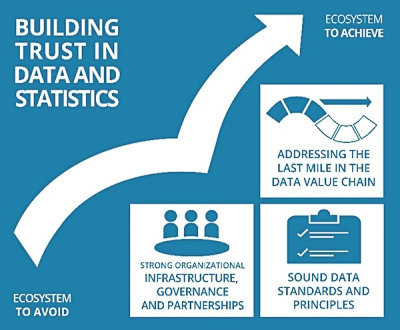
In an era of “fake news” and “alternative facts,” the UN World Data Forum 2018 takes on a topic of particular relevance: building trust in data and statistics throughout the data value chain.

15 January 2018
Open Data Watch – Our Story in 2017
Open Data Watch (ODW) – Our Story in 2017 Having just crossed the threshold of a new year, we take a moment to reflect on the previous year. We have much success to build on, and face a world where open data is more needed than ever before.

9 November 2017
Catalyzing the USE and IMPACT of Official Statistics
A new ODW project with AidData and PARIS21 seeks to collect information on the barriers faced by National Statistical Offices as they respond to increased demands to produce more and better statistics and increase the use and impact of those statistics.
26 October 2017
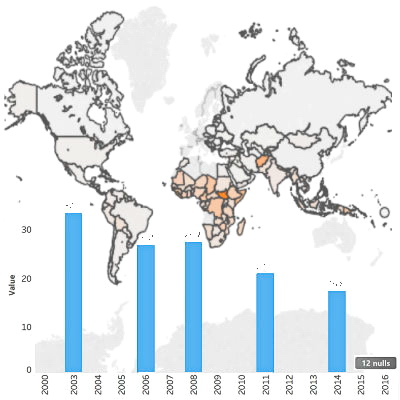
Visualization for a Better Look at Gender Data
“The greatest value of a picture is when it forces us to notice what we never expected to see.” Data visualizations can help us discover innovative solutions, support new initiatives, and raise awareness of data gaps that impact women and girls around the world.

17 October 2017
OECD Outlines Six Data Actions for Sustainable Development
Achieving the Sustainable Development Goals hinges on harnessing evidence, technology, and data science. A new Development Co-operation Report 2017 from OECD provides a holistic view of data-driven development and identifies concrete actions to advance the job of improving the quality of data and statistics.
16 October 2017
Making Progress towards Sustainable Agriculture
Food and agriculture are at the heart of the 2030 Agenda, spanning all 17 goals and reflected in 53 indicators, but what are the key elements to measure and across what dimensions? Must data be collected at the farm level?
10 July 2017
Ready to Measure: Phase Two Ambitions
Realizing the ambitious promises made by the 17 Sustainable Development Goals – including Goal 5 on gender equality – will require a serious commitment to the collection and use of more and better gender data. Through the new “Ready to Measure: Phase II” report and gender data query tool, we aim to contribute to this.

10 April 2017
What it takes to build a strong partnership on statistics
Paris in spring, the backdrop for this year’s PARIS21 Board Meeting, offers a fitting time for this long-time “observer” to reflect on what has changed in the 17 years since PARIS21…

19 March 2017
What are the principles of joined-up data?
Five practical principles can help clarify the real gap in guidance about global data interoperability – the ability to access and process data from multiple sources without losing meaning, and integrate them for mapping, visualisation, and other forms of analysis…
15 March 2017
“It’s Not Just About Bragging Rights”
When Open Data Watch began work on ODIN, we asked ourselves, “Does the world need another index?” We recognized the tendency for indexes to be glanced at to see who’s on top, and then forgotten.

28 January 2017
Open Data Watch (ODW) – Our Story in 2016
2016 was an exciting year at ODW. The Open Data Inventory (ODIN) was launched. Research expanded on the quality and openness of country strategies for statistics. New or deeper partnerships were forged with countries, agencies, and many other groups. As ODW takes stock of and celebrates 2016, we look ahead with great optimism to what can be accomplished to support SDGs through the power of open data.

26 January 2017
Breakthroughs for Open Data at UN World Data Forum
The UN World Data Forum helped create a better understanding of open data opportunities and accelerated the connections between official statisticians and open data experts. But it left some things remaining to be accomplished.

26 January 2017
UN World Data Forum Bridges Communities of Open Data and Official Statistics
The United Nations World Data Forum in Capetown (15-18 January) marked a decisive moment in the race to harness the power of the Data Revolution in service of Sustainable Development Goals.
13 January 2017
Open Data Inventory 2016
The 2016 Open Data Inventory (ODIN) provides a comprehensive review of the coverage and openness of official statistics in 173 countries around the world, including most OECD countries. It features a methodology updated to reflect the latest international open data standards.

1 November 2016
Strengthening Engagement with Indigenous Peoples for Better Statistics
The Sustainable Development Goals (SDGs) refer explicitly to indigenous people in two places (Goal 2 and Goal 4), but to meet the SDGs commitment to leave no one behind, data are needed that go beyond tracking gender and age to identify all vulnerable groups, including indigenous peoples.

17 October 2016
Sustainable Funding for Statistics Off to a Slow Start
The Sustainable Development Goals place new demands on the statistical systems of developing countries, but support for building sufficient capacity is lagging behind.

14 October 2016
Three Takeaways from IODC
Several sessions were convened at the 2016 International Open Data Conference (IODC), from Oct. 3-5 in Madrid, connecting the open data community and national statistical offices (NSOs) with the aim of fostering and strengthening linkages between them.

9 August 2016
Open Data Inventory 2016 is Underway
After the positive reception of ODIN 2015, ODW is pleased to announce that work has begun on the 2016 Open Data Inventory. See what’s new and improved in ODIN 2016.
20 July 2016
Civil Registration and Vital Statistics: Data Gaps and Possible Solutions
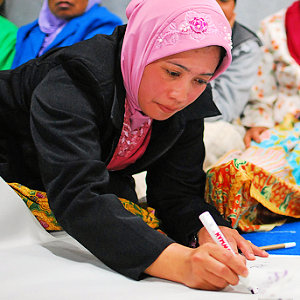
Accurate and open data are a catalyst for action. Data gaps limit the ability to harness such impact. Many have their origin in civil registration and vital statistics (CRVS) systems that fail to record births, deaths, marriages, and divorces.
9 May 2016
What Makes an Effective National Statistical Office Website?
National Statistical Office websites are the vital connection between data producers and users. There is no single, correct design, but providing open access to reliable data to the widest range of data users is essential.
28 April 2016
10 USES OF THE 2015 OPEN DATA INVENTORY (ODIN)
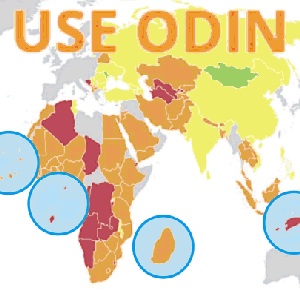
The purpose of data is to inform and catalyze action. The Open Data Inventory (ODIN) assesses the coverage and openness of official statistics in 125 countries and 20 data categories. The ODIN scores allow for a multitude of applications that can generate insights in many topical and regional areas of interest.
18 April 2016
Lessons from the 2015 Open Data Inventory
The recently released 2015 Open Data Inventory (ODIN) assessed the openness and coverage of official statistics for 125 countries in 20 data categories. Only 7% of the categories got full points for data coverage, and no category in any country got full points for data openness. But there are ways National Statistical Offices (NSOs) can readily improve this.
8 March 2016
Ready to Measure: Twenty Indicators for Monitoring SDG Gender Targets
The fundamental principle of the 2030 development agenda is to leave no one behind. Achieving real inclusion – and monitoring progress – will require a significant improvement in the availability of data.
20 January 2016
DQI: Measuring Data Quality or Income?
World Economics has released a Data Quality Index (DQI), rating the quality of GDP estimates for 154 countries. The DQI is presented as a “new way to judge which countries (sic) GDP you can trust.” Therefore, it is striking, and perhaps ironic, that the DQI depends heavily on GDP.

20 December 2015
Modernizing NSDS to Open Data
The landmark report by the Independent Expert Advisory Group to the United Nations Secretary General — A World That Counts: Mobilizing the data revolution for sustainable development — spotlights the increasing demands and opportunities for national statistical systems.

19 December 2015
Indexes of Data Quality and Openness
This article reviews three indexes that assess the openness or quality of data produced by national governments: The Open Data Barometer (ODB), the Open Data Index (ODI), and the World Bank’s Statistical Capacity Index (SCI).
17 December 2015
Toward a Global Program for Data Quality
The past two decades have seen efforts on multiple fronts to improve the quality and availability of what we will call development data: the statistical information needed for planning, monitoring, and assessing the social and economic development of a country.
17 December 2015
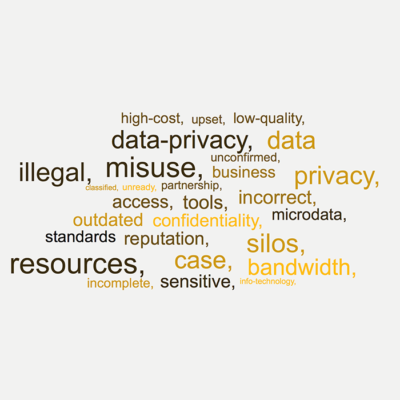
Overcoming Open Data Worries
In the last five years, many national governments have announced open data initiatives, and states and cities have joined in. Releasing data openly should make governments more credible.
16 December 2015
Strategic Planning Resources for National Statistical Systems
Solid, practical, technical assistance must always leverage the energy and diversity of many partners. Many governmental and international agencies, civil society organizations, academic institutions, private foundations, and professional societies are already deeply committed to improving the quality and accessibility of development data.

5 December 2015
How Open Are Official Statistics?
Official statistics provide an indispensable element in the information system of a democratic society, serving the Government, the economy and the public with data about the economic, demographic, social and environmental situation.
8 October 2015
Ending Poverty Needs Better Data
The World Bank’s recently released poverty report, Ending Extreme Poverty and Sharing Prosperity: Progress and Policies, brings news that the rate of extreme poverty in the world declined again in 2012, reaching a global average of 9.8 percent of the world’s population, although a more relevant figure places it at 15.7 percent of the population in “developing” countries.
9 September 2015
Stuffed and Unstuffed: A Comment on Chandy & Zhang
Recently published estimates by Brookings Institution researchers Laurence Chandy and Christine Zhang of the funding needed to produce indicators for monitoring SDGs appears to demonstrate that other cost assessments are far too high. But the analysis leaves out elements and runs the risk of creating complacency over the need for serious, continuing investments in the statistical capacity of developing countries.

9 August 2015
How well do partnerships for statistics work?
In Addis Ababa, donors pledged $5 million to support the Global Partnership for Sustainable Development Data. This partnership could play a major role in helping countries revolutionize data production and use.

15 July 2015
Many Questions, Many Answers
Two questions — “What is the data revolution?” and “How is it affecting people’s lives?” — lead to many more questions. The world is generating data at an ever increasing rate. What is it good for? Who benefits? Will poor countries be left out?

13 July 2015
A Pivotal Moment in Addis Ababa
Representatives of the international community met in Addis Ababa (12-16 July 2015) for the Third Financing for Development Conference. This meeting is a pivotal moment for the post-2015 agenda and the Data Revolution for Sustainable Development.

13 May 2015
ODW in the News
Although our usual approach is to work quietly in the background, ODW has been asked recently for media interviews on various “open data” topics.

17 April 2015
Costing the Data Needed for New SDGs
Developing a clear estimate for the scale of resources needed for the statistical capacity of countries to produce the needed data for the new Sustainable Development Goals (SDGs) is critical. Up to now, it has been a guessing game to a large extent, but now a team of development data experts has done a comprehensive assessment.

9 March 2015
A Data-Driven Initiative for Gender Equality
The Clinton Foundation and the Gates Foundation are joining forces to gather data on and analyze the gains made for women and girls in the two decades since the UN Fourth World Conference on Women in Beijing in 1995. The initial report – the “No Ceilings Full Participation Report” – comes out today at a major event in New York City.
10 February 2015
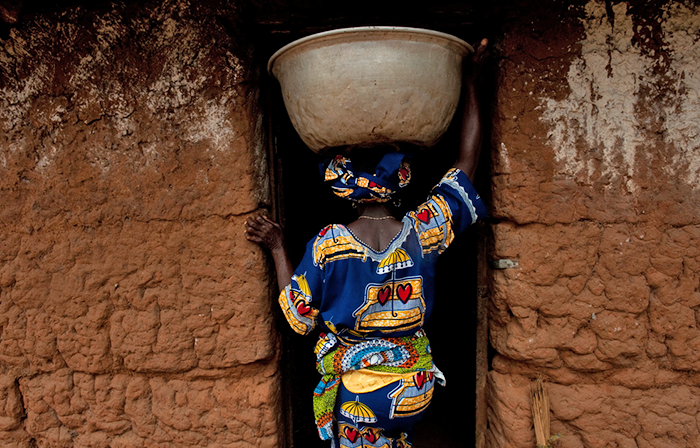
Towards a Complete Civil Registration & Vital Statistics System in Africa
Millions of people in Africa are denied basic services because of deficient CRVS and national identification systems. Lacking records of their birth and civil status, they are excluded from health coverage, schooling, social protection programs, and humanitarian response in emergencies and conflicts. This can change.

20 September 2014
Open Data from the Ground Up
The call for open data has been closely linked with the global advocacy campaign for good governance founded upon the principles of transparency and accountability. Starting in North America and Europe and now spreading to developing economies, country after country has announced open data policies, mined archives for releasable data sets, and remade websites to highlight data releases.
5 August 2014
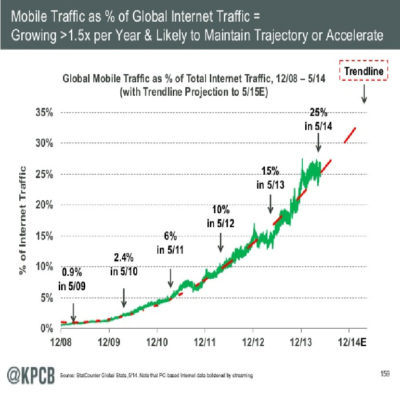
Better go mobile!
If you are developing Open Data applications, best to keep in mind the growing mobile market. While you may think your clients are still sitting behind desktop machines or balancing laptops on their knees, there may also be lots of data hungry mobile users who should not be neglected.
16 June 2014
Co-founders’ Welcoming Blog
Welcome to the Open Data Watch (ODW) website. ODW is a new, non-profit company founded by three development data specialists. We come from different countries and backgrounds, but we share a passion for good statistics and a commitment to promoting open data across the world.

6 June 2014
Making an Open Data site desirable
What makes an open data site special, desirable, and impressive? How relevant and useful are the data? Clearly identified and well documented? Up-to-date? Unless data are meant to be stagnant (e.g. for research), typical users want data to be very current. But are there “typical” users? Are there “best” open data formats?

6 May 2014
Open Data for Africa
During my time as an intern at Open Data Watch, I reviewed the availability and openness of data in poor, developing countries. I wanted to get a general idea of what the data environment looks like in the developing world. I asked myself: “If I were a citizen of country X and I wanted to find data about my country, could I do so and how difficult would it be?”